Acid Precipitation

forest damaged by acid rain

Acid precipitation is rain, snow, or mist which has a pH lower than unpolluted precipitation. Increased levels of acid precipitation have significant effects on food chains and ecosystems.

Precipitation—rain, snow, hail, sleet, or mist—is naturally acidified by carbonic acid (H2CO3). Carbon dioxide (CO2) in the atmosphere reacts with water molecules, lowering the pH of precipitation to 5.6. A pH scale is used to measure a solution’s acidity or alkalinity; pH is defined as the negative logarithm of the concentration of hydrogen ions, H+ . A solution with a pH of 7.0 is neutral. A pH lower than 7 is acidic, and a pH greater than 7 is alkaline.

Other acidic substances are also present in the atmosphere, causing "unpolluted" precipitation to have a pH approaching 5.0. Solutions with a pH of 5.0 or less have concentrations of hydroxyl ion, or OH , and carbonate ion, or CO3 , approaching zero.
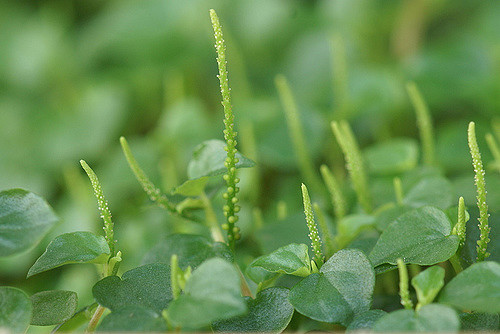
Adaptations

Water lilies, a kind of adaptations

The results of natural selection in which succeeding generations of organisms become better able to live in their environments are called adaptations. Many of the features that are most interesting and beautiful in biology are adaptations. Specialized structures, physiological processes, and behaviors are all adaptations when they allow organisms to cope successfully with the special features of their environments.

Adaptations ensure that individuals in populations will reproduce and leave well-adapted offspring, thus ensuring the survival of the species. Adaptations arise through mutations—inheritable changes in an organism’s genetic material.

These rare events are usually harmful, but occasionally they give specific survival advantages to the mutated organism and its offspring. When certain individuals in a population possess advantageous mutations, they are better able to cope with their specific environmental conditions and, as a result, will contribute more offspring to future generations than those individuals that lack the mutation.

Active Transport

Active Transport
Active Transport

Active transport is the process by which cells expend energy to move atoms or molecules across membranes, requiring the presence of a protein carrier, which is activated by ATP. Cotransport is active transport that uses a carrier that must simultaneously transport two substances in the same direction. Countertransport is active transport that employs a carrier that must transport two substances in opposite directions at the same time.

Biologists in nearly every field of study have discovered that one of the major methods by which organisms regulate their metabolisms is by controlling the movement of molecules into cells or into organelles such as the nucleus.

This regulation is possible because of the semipermeable nature of cellular membranes. The membranes of all living cells are fluid mosaic structures composed primarily of lipids and proteins. The lipid molecules are aliphatic, which means that their molecular structure exhibits both a hydrophilic (water-attracted) and a hydrophobic (water-repelling) portion.

Adaptive Radiation

Galapagos cacti
Galapagos cacti

In adaptive radiation, numerous species evolve from a common ancestor introduced into an environment with diverse ecological niches. The progeny evolve genetically into customized variations of themselves, each adapting to survive in a particular niche.

In 1898 Henry F. Osborn identified and developed the evolutionary phenomenon known as adaptive radiation, whereby different forms of a species evolve, quickly in evolutionary terms, from a common ancestor.

According to the principles of natural selection, organisms that are the best adapted (most fit) to compete will live to reproduce and pass their successful traits on to their offspring. The process of adaptive radiation illustrates one way in which natural selection can operate when members of one population of a species are cut off or migrate to a different environment that is isolated from the first.

African Agriculture

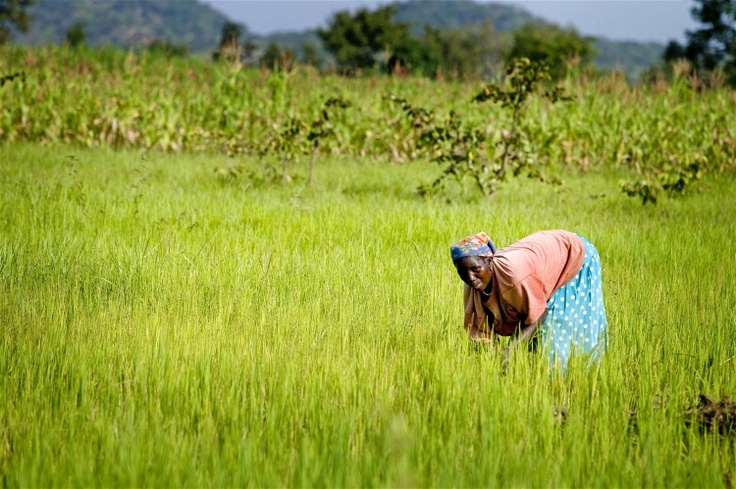
Rice field in Africa

Soil and climatic conditions throughout Africa determine not only agricultural practices, such as which crops can be grown, but also whether plant life is capable of sustaining livestock on the land and enabling fishing of the oceans.

Rainfall—the dominant influence on agricultural output—varies greatly among Africa’s fifty-six countries. Without irrigation, agriculture requires a reliable annual rainfall of more than 30 inches (75 centimeters). Portions of Africa have serious problems from lack of rainfall, such as increasing desertification and periods of drought.

Food output has declined, with per capita food production 10 percent less in the 1990’s than it was in the 1980’s. In most African countries, however, more than 50 percent, and often 80 percent, of the population works in agriculture, mostly subsistence agriculture. Large portions of the continent, such as Mali and the Sudan, have the potential of becoming granaries to much of the continent and producing considerable food exports.

African Flora

African Flora
African Flora

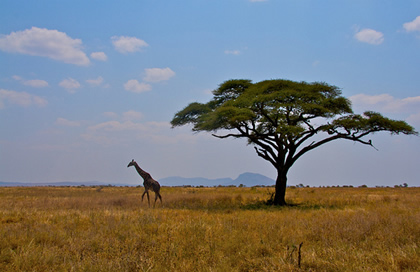
With few exceptions, Africa’s flora (vegetation) is tropical or subtropical. This is primarily because none of the African continent extends far from the equator, and there are only a few high-elevation regions that support more temperate plants.

Listed in order of decreasing land area, the three main biomes of Africa are subtropical desert, tropical savanna, and tropical forest. The flora in southern Africa has been most studied. The flora of central and northern Africa is less known.

The subtropical desert biome is the driest of the biomes in Africa and includes some of the driest locations on earth. The largest desert region is the Sahara in northern Africa. It extends from near the west coast of Africa to the Arabian Peninsula and is part of the largest desert system in the world, which extends into south central Asia.

Experimental Crops

Experimental Crops
Experimental Crops

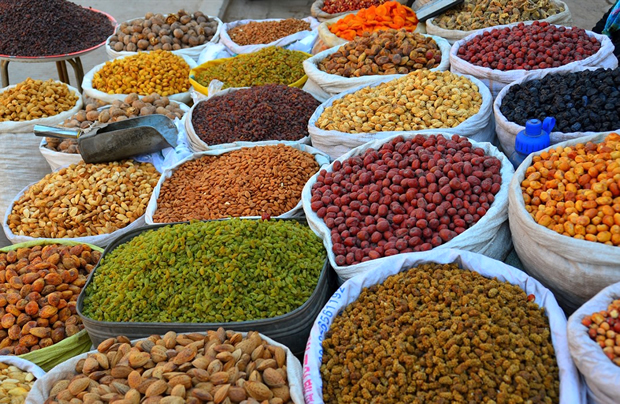
Experimental crops are foodstuffs with the potential to be grown in a sustainable manner, produce large yields, and reduce people’s reliance on the traditional crops wheat, rice, and corn.

Shifting from a hunter-gatherer society to an agrarian society led to increasingly larger-scale agricultural production that involved selecting local crops for domestication. In recent history there has been a reduction in the number of agricultural crops grown for human consumption.

There are estimated to be at least 20,000 species of edible plants on earth, out of more than 350,000 known species of higher plants. However, only a handful of crops feed most of the world’s people.

Agricultural Revolution

Agricultural Revolution

The agricultural revolution marked the transition by humans from hunting and gathering all their food to domesticating plants for food.

People first obtained their food by scavenging kills made by other animals, by hunting animals, and by gathering wild food plants. Between ten thousand and twelve thousand years ago, people began to use plants in new ways. Some scientists and historians call this period of time the "agricultural revolution".

Agricultural Beginnings

Before the 1960’s,many scientists and historians believed that hunter-gatherers abruptly switched from foraging to farming. Those who thought that agriculture arose quickly coined the term "agricultural revolution".

Marine Agriculture

Marine Agriculture
Marine Agriculture

Marine agriculture uses techniques of artificial cultivation, such as growing, managing, and harvesting, and applies them to marine plants and animals. The products are then used for human consumption.

Marine agriculture is also known as mariculture or aquaculture, although aquaculture is a more general term referring to both freshwater and marine farming of organisms. The world’s oceans cover approximately three-fourths of the globe, including vast regions of unexplored life and landforms.

The potential for exploiting the oceans agriculturally is great but currently meets significant obstacles. Because of the expense of equipment and personnel involved, most marine species are not cultivated.

Modern Agriculture Problems

Modern Agriculture
Modern Agriculture

Many current problems in agriculture are not new. Erosion and pollution, for example, have been around as long as agriculture. However, agriculture has changed drastically within its ten-thousand-year history, especially since the dawn of the Industrial Revolution in the seventeenth century.

Erosion and pollution are now bigger problems than before and have been joined by a host of other issues that are equally critical—not all related to physical deterioration.

Monoculture

Modern agriculture emphasizes crop specialization, also known as monoculture. Farmers, especially in industrialized regions, often grow a single crop on much of their land. Problems associated with this practice are exacerbated when a single variety or cultivar of a species is grown. Such a strategy allows the farmer to reduce costs, but it also makes the crop, and thus the farmand community, susceptible to widespread crop failure.

Traditional Agriculture

Traditional Agriculture
Two agricultural practices that are widespread among the world’s traditional cultures, slash-and-burn agriculture and nomadism, share several features. Both are ancient forms of agriculture, both involve farmers not remaining in a fixed location, and both can pose serious environmental threats if practiced in a nonsustainable fashion.

The most significant difference between the two is that slash-and-burn is associated with raising field crops, while nomadism usually involves herding livestock.

Slash-and-Burn Agriculture

Farmers have practiced slash-and-burn agriculture, which is also referred to as shifting cultivation or swidden agriculture, in almost every region of the world where farming is possible.

Although at the end of the twentieth century slash-and-burn agriculture was most commonly found in tropical areas such as the Amazon River basin in South America, swidden agriculture once dominated agriculture in more temperate regions, such as northern Europe. Swidden agriculture was, in fact, common in Finland and northern Russia well into the early decades of the twentieth century.

Agriculture: World Food Supplies

World Food Supplies
World Food Supplies

Soil types, topography, climate, socioeconomics, dietary preferences, stages in agricultural development, and governmental policies combine to give a distinctive personality to regional agricultural characteristics and, hence, food supplies in various areas of the world.

All living things need food to live, grow, work, and survive. Almost all foods that humans consume come from plants and animals. Not all of earth’s people eat the same foods, however. The types, combinations, and amounts of food consumed by different peoples depend upon historic, socioeconomic, and environmental factors.

History of Food Consumption

Early in human history, people ate what they could gather or scavenge. Later, people ate what they could plant and harvest and the products of animals they could domesticate. Modern people eat what they can grow, raise, or purchase.

Agronomy

Agronomy
Agronomy

Agronomy is a group of applied science disciplines concerned with land and soil management and crop production. Agronomists’ areas of interest range from soil chemistry to soil-plant relationships to land reclamation.

The word "agronomy" derives from the ancient Greek agros (field) and nemein (manage) and therefore literally means "field management". The American Society of Agronomy defines agronomy as "the theory and practice of crop production and soil management". There are many specialties within the study of agronomy.

Agronomic Specialties

Agronomy is the family of disciplines investigating the production of crops supplying food, forage, and fiber for human and animal use. It studies the stewardship of the soil upon which those crops are grown. Agronomy covers all aspects of the agricultural environment, from agroclimatology to soil-plant relationships.

Algae

Red algae
Red algae

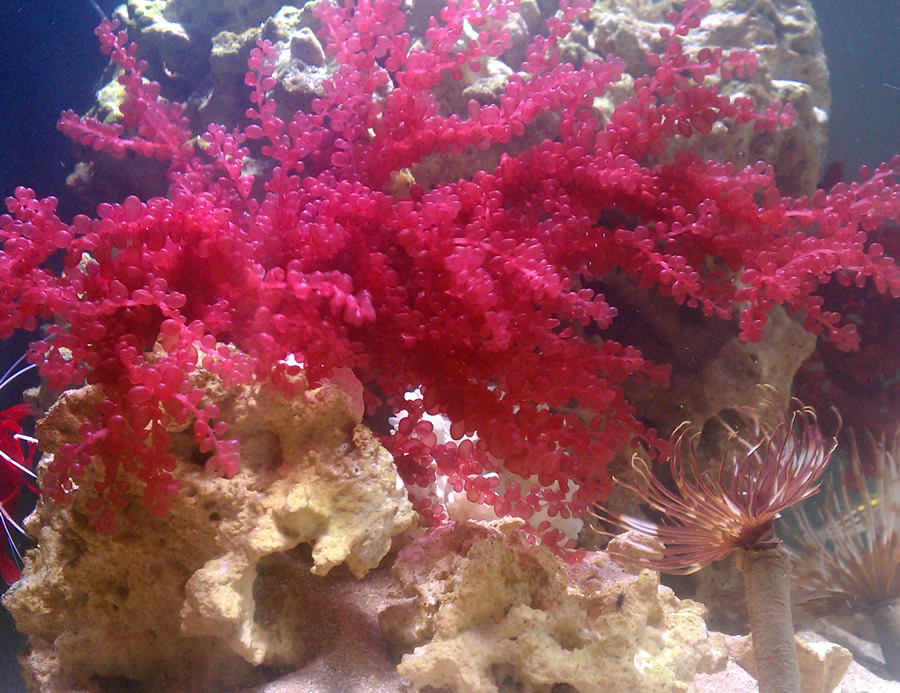
Algae comprise a diverse group of (with few exceptions) photosynthetic oxygen-producing organisms, ranging in size from microscopic single cells to gigantic seaweeds.

The study of algae is known as phycology (in Greek, phycos means "algae"). Currently, most authors place eukaryotic algae in the kingdom Protista (domain Eukarya) and prokaryotic algae in the domain Bacteria.

In the past algae were considered to be lower plants because some forms look like plants. As in plants, the primary photosynthetic pigment in algae is chlorophyll a, and oxygen is produced during photosynthesis.

Allelopathy

Allelopathy
Allelopathy

Allelopathy refers to all the biochemical interactions, both beneficial and harmful, among all types of plants, including microorganisms.

For an allelopathic interaction to occur, chemicals must be released into the environment by one plant that will affect the growth of another. In this way allelopathy differs from competition, which involves removal of some factor from the environment that is shared with other plants. Allelopathy was recognized as early as Theophrastus (300 b.c.e.), who pointed out that chick pea plants destroy weeds growing around them.

Methods of Action

Avariety of different allelochemicals are produced by plants, usu- ally as secondary metabolites that do not have a specific function in the growth and development of the host plant but that do affect the growth of other plants. Originally plant physiologists thought these secondary products were simply metabolic wastes which plants had to store because they do not have an excretory system as animals do. Their various functions are now beginning to be understood.

Alternative Grains

Alternative Grains
Alternative Grains

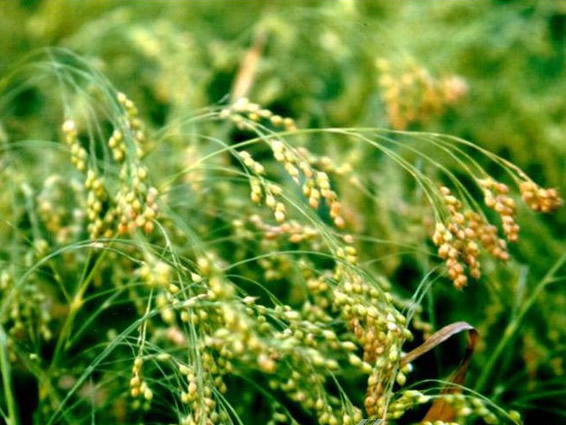
Alternative grains refers to alternatives to high-yield grain crops, the harvest of which has led to severe soil erosion and increased use of fertilizers and pesticides.

More than one-half of the calories consumed daily by humans comes from grains. Most of these grains are produced by plants of the grass family, Poaceae. Major cereal plants domesticated centuries ago include rice (Oryza sativa), wheat (Triticum aestivum), and corn (Zea mays). Other important grain crops, also plants of the grass family, include barley (originating in Asia), millet and sorghum (originating in Africa), and oats and rye (originating in Europe).

Grain Genetics

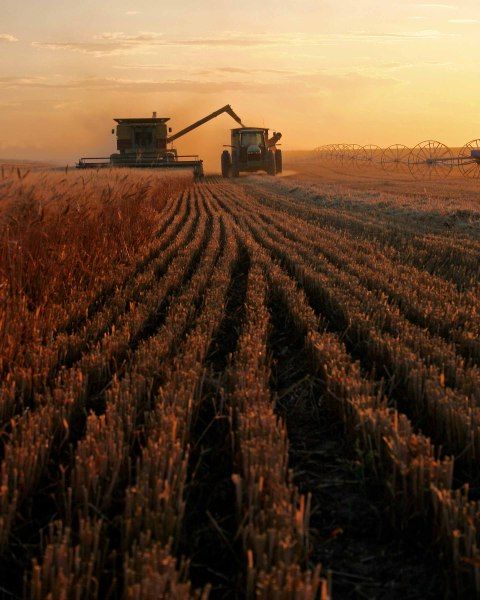
Since the early twentieth century, the scientific principles of genetics have been applied to improvements of crop plants. Some notable improvements occurred between 1940 and 1970. As a result of irrigation, improved genetic varieties, and the use of large amounts of fertilizers and pesticides, yields of major crops greatly increased.

Anaerobes and Heterotrophs

Anaerobes
Anaerobes

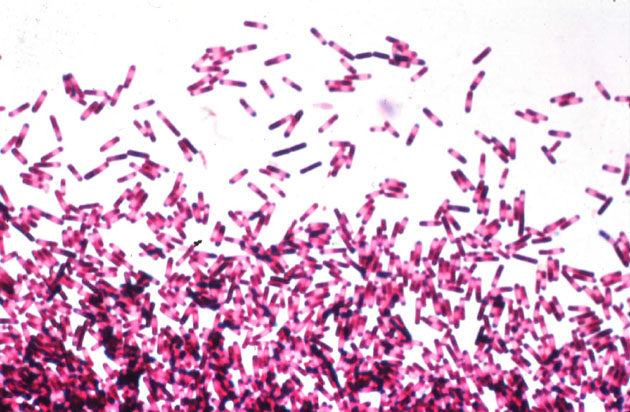
The first organisms to evolve on the earth are thought to have been heterotrophs and anerobes. Heterotrophs are organisms that cannot produce their own food but must fill their energy requirements by consuming organic molecules produced by other processes or organisms. Anaerobes are organisms that do not require free oxygen gas in order to survive; for some anaerobes, free oxygen may be poisonous.

Heterotrophs include many familiar organisms (such as animals) whose existence is tied to primary producers, those organisms that create energy-storing molecules, such as photosynthesizing plants. Anaerobes also are common, though less apparent. Typically, they are microscopic organisms restricted to living in a few surface environments where oxygen is absent.

It may seem strange, then, that these organisms were perhaps the first organisms to have evolved on the earth. Yet the combination of the heterotrophic lifestyle and the anaerobic life requirement is consistent with what is known about the conditions of the early earth’s surface environment.

Anaerobic Photosynthesis

Anaerobic photosynthesis, also known as anoxygenic photosynthesis, is the process by which certain bacteria use light energy to create organic compounds but do not produce oxygen. Anaerobes are those bacteria that cannot use oxygen to generate energy.

The photosynthetic process in all plants and algae, as well as in specific types of bacteria, involves the reduction of carbon dioxide to carbohydrate and the removal of electrons from water, resulting in the release of oxygen.

This process is known as oxygenic or aerobic photosynthesis. Water is oxidized by a multi-subunit protein located in the photosynthetic membrane. This is a molecular protein feature shared among more than 500,000 species of plants on earth.

While this is a common feature among nearly every form of plant life on earth, some photosynthetic bacteria can use light energy to extract electrons from molecules other than water. These bacteria are of ancient origin and are believed to have evolved before aerobic photosynthetic organisms.

Angiosperm Cells and Tissues

Angiosperm Cells and Tissues

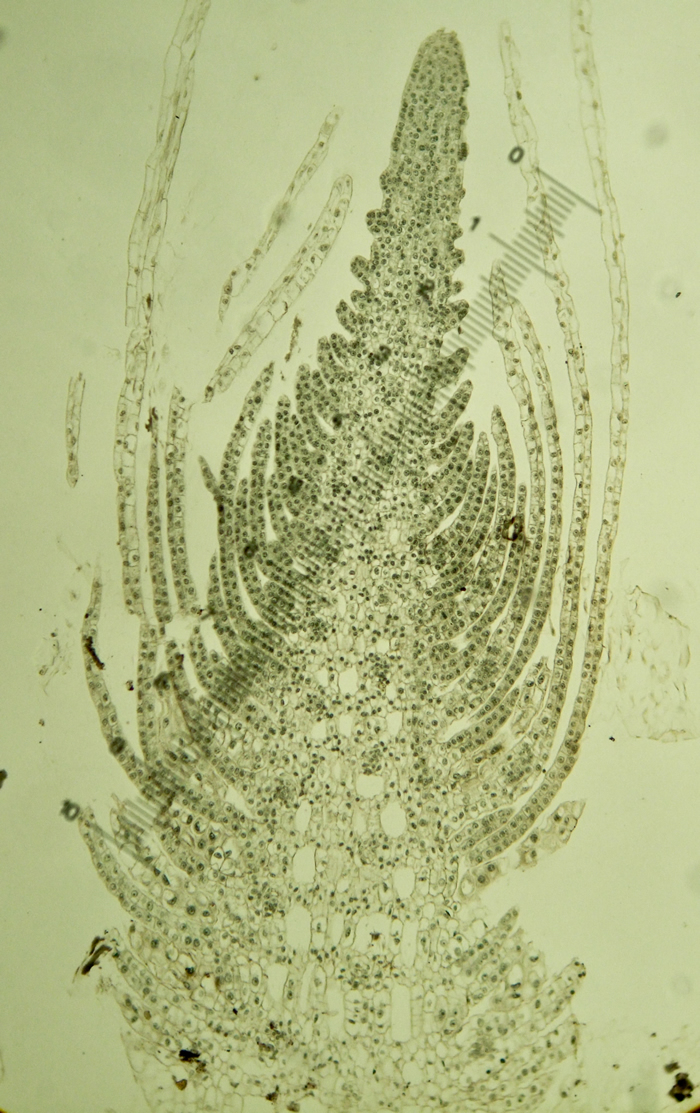
Some cell types and tissues which are not found in any other groups of plants occur in angiosperms (flowering plants).

Angiosperms are a group of plants with seeds that develop within an ovary and reproductive organs in flowers. They are commonly referred to as flowering plants and represent the most successful group of plants on earth, with approximately 235,000 species.

Various cell types and tissues, many of which are not found in any other groups of plants, occur in angiosperms. These cells and tissues perform varied functions, which are very efficient compared to their counterparts in other plants. These include dermal, vascular (xylem and phloem), and ground tissues (such as parenchyma, collenchyma, and sclerenchyma).

Angiosperm evolution

Angiosperm
Angiosperm

Angiosperms (flowering plants) appeared about 130 million years ago and today dominate the plant world, with approximately 235,000 species.

In early Devonian-age rocks, approximately 363- 409 million years old, fossils of simple vascular and nonvascular plants can be seen. Ferns, lycopods, horsetails, and early gymnosperms became prominent during the Carboniferous period (approximately 290-363 million years ago).

The gymnosperms were the dominant flora during the Age of Dinosaurs, the Mesozoic era (65-245million years ago). More than 130 million years ago, from the Jurassic period to early in the Cretaceous period, the first flowering plants, or angiosperms (phylum Anthophyta), arose. Over the following 40 million years, angiosperms became the world’s dominant plants.