Showing posts with label food. Show all posts

African Agriculture

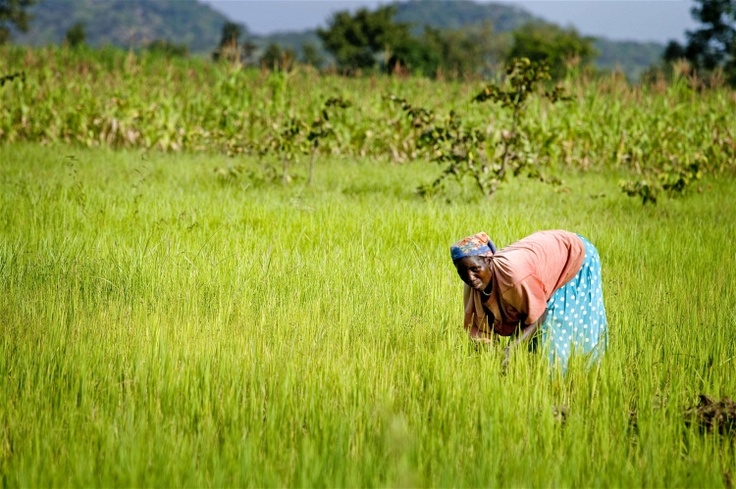
Rice field in Africa

Soil and climatic conditions throughout Africa determine not only agricultural practices, such as which crops can be grown, but also whether plant life is capable of sustaining livestock on the land and enabling fishing of the oceans.

Rainfall—the dominant influence on agricultural output—varies greatly among Africa’s fifty-six countries. Without irrigation, agriculture requires a reliable annual rainfall of more than 30 inches (75 centimeters). Portions of Africa have serious problems from lack of rainfall, such as increasing desertification and periods of drought.

Food output has declined, with per capita food production 10 percent less in the 1990’s than it was in the 1980’s. In most African countries, however, more than 50 percent, and often 80 percent, of the population works in agriculture, mostly subsistence agriculture. Large portions of the continent, such as Mali and the Sudan, have the potential of becoming granaries to much of the continent and producing considerable food exports.

Experimental Crops

Experimental Crops
Experimental Crops

Experimental crops are foodstuffs with the potential to be grown in a sustainable manner, produce large yields, and reduce people’s reliance on the traditional crops wheat, rice, and corn.

Shifting from a hunter-gatherer society to an agrarian society led to increasingly larger-scale agricultural production that involved selecting local crops for domestication. In recent history there has been a reduction in the number of agricultural crops grown for human consumption.

There are estimated to be at least 20,000 species of edible plants on earth, out of more than 350,000 known species of higher plants. However, only a handful of crops feed most of the world’s people.

Marine Agriculture

Marine Agriculture
Marine Agriculture

Marine agriculture uses techniques of artificial cultivation, such as growing, managing, and harvesting, and applies them to marine plants and animals. The products are then used for human consumption.

Marine agriculture is also known as mariculture or aquaculture, although aquaculture is a more general term referring to both freshwater and marine farming of organisms. The world’s oceans cover approximately three-fourths of the globe, including vast regions of unexplored life and landforms.

The potential for exploiting the oceans agriculturally is great but currently meets significant obstacles. Because of the expense of equipment and personnel involved, most marine species are not cultivated.

Agriculture: World Food Supplies

World Food Supplies
World Food Supplies

Soil types, topography, climate, socioeconomics, dietary preferences, stages in agricultural development, and governmental policies combine to give a distinctive personality to regional agricultural characteristics and, hence, food supplies in various areas of the world.

All living things need food to live, grow, work, and survive. Almost all foods that humans consume come from plants and animals. Not all of earth’s people eat the same foods, however. The types, combinations, and amounts of food consumed by different peoples depend upon historic, socioeconomic, and environmental factors.

History of Food Consumption

Early in human history, people ate what they could gather or scavenge. Later, people ate what they could plant and harvest and the products of animals they could domesticate. Modern people eat what they can grow, raise, or purchase.

Alternative Grains

Alternative Grains
Alternative Grains

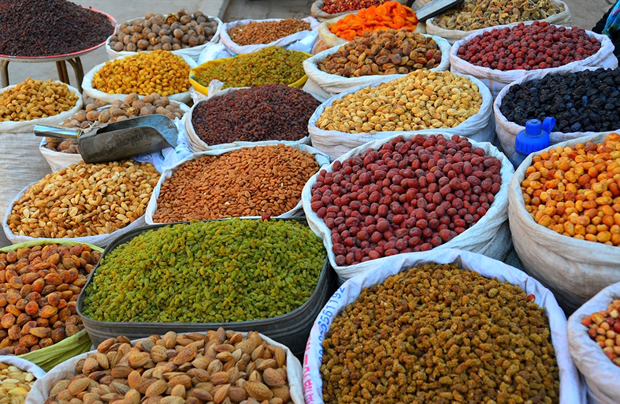
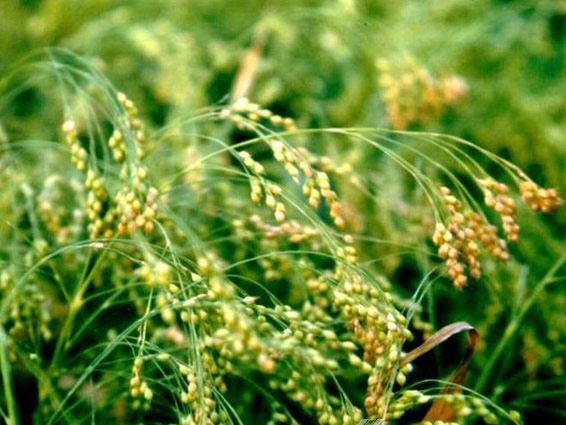
Alternative grains refers to alternatives to high-yield grain crops, the harvest of which has led to severe soil erosion and increased use of fertilizers and pesticides.

More than one-half of the calories consumed daily by humans comes from grains. Most of these grains are produced by plants of the grass family, Poaceae. Major cereal plants domesticated centuries ago include rice (Oryza sativa), wheat (Triticum aestivum), and corn (Zea mays). Other important grain crops, also plants of the grass family, include barley (originating in Asia), millet and sorghum (originating in Africa), and oats and rye (originating in Europe).

Grain Genetics

Since the early twentieth century, the scientific principles of genetics have been applied to improvements of crop plants. Some notable improvements occurred between 1940 and 1970. As a result of irrigation, improved genetic varieties, and the use of large amounts of fertilizers and pesticides, yields of major crops greatly increased.

Angiosperms

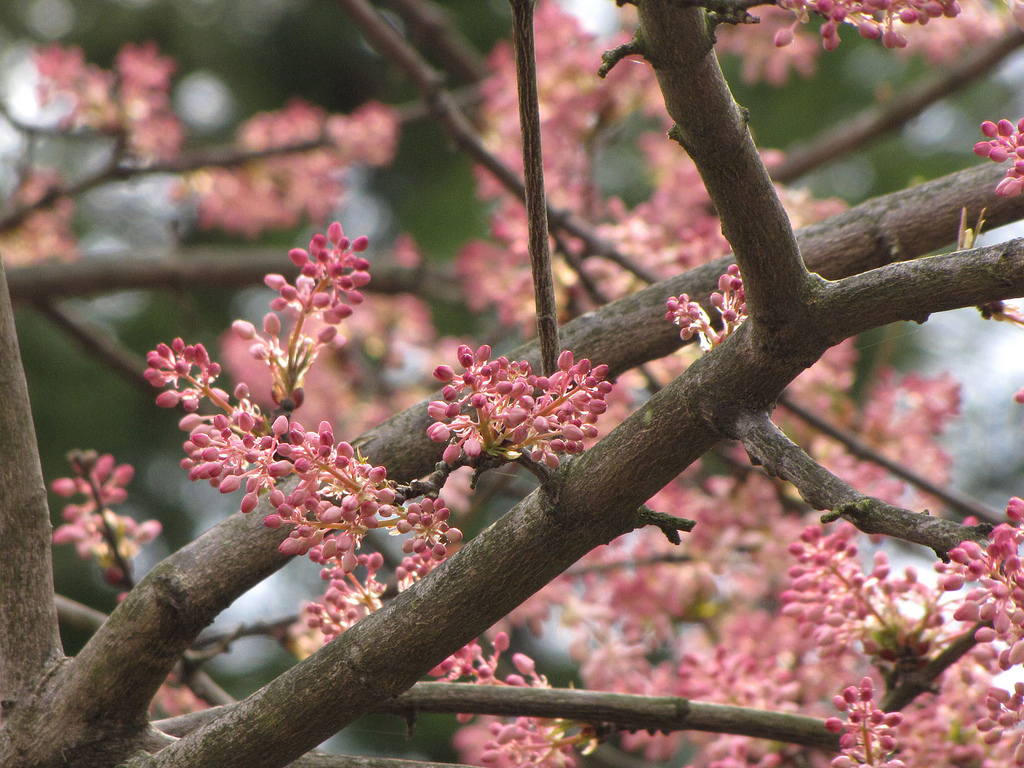
Angiosperms - Chinese Bladdernut Buds

The name "angiosperms" has long been used by botanists to refer to the flowering plants, a group of approximately 235,000 species. All angiosperms are members of the phylum Anthophyta.

The name "angiosperm" is actually derived from two Greekwords, angeion,meaning "vessel" or "container", and sperma, meaning "seed". The name was given in reference to the fact that the seeds of all flowering plants develop from ovules that are enclosed in a structure called a carpel.

This characteristic sets the angiosperms apart from all other plants, which either do not have seeds or have seeds that are not developed in structures resembling a carpel. Although the name angiosperm is used widely, plant taxonomists and many botanists typically refer to them by the more formal name Anthophyta, the phylum that contains the flowering plants.

Asian Agriculture

Going to the Field with the Mom
Asian agriculture

Land constraints and growing population and urbanization throughout Asia underscore the need for environmentally sound technologies to sustain agricultural growth.

The first agricultural revolution occurred in Asia and involved the domestication of plants and animals. It is believed that vegeculture first developed in Southeast Asia more than eleven thousand years ago. In vegeculture, a part of a plant—other than the seed—is planted for reproduction.

The first plants domesticated in Southeast Asia were taro, yam, banana, and palm. Seed agriculture, now the most common type of agriculture, uses seeds for plant reproduction. It originated in the Middle East about nine thousand years ago, in the basins of the two major rivers of present-day Iraq, the Tigris and the Euphrates.

Australian Agriculture

Australian Agriculture

Agriculture is an important part of Australia’s economy. Australia’s exports were overwhelmingly agricultural products until the 1960’s, when mining and manufacturing grew in importance.

Agriculture occupies 60 percent of the land area of Australia, but much of this is used for open-range cattle grazing, especially in huge areas of the states of Queensland and Western Australia. Only 5 percent of Australia’s agricultural land is used for growing crops.

Western Australia and New South Wales have the largest areas of cropland. The limited area suitable for growing commercial crops is limited mainly by climate, because Australia is the world’s driest continent.

Annual rainfall of about 20 inches (500 millimeters) is necessary to grow crops successfully without irrigation; less than half of Australia receives this amount, and the rainfall is often variable or unreliable.

Caribbean Agriculture

Caribbean Agriculture

Agriculture in the Caribbean islands, from the Bahamas to Trinidad, is concentrated in sugarcane, bananas, coffee, tobacco, and some citrus and cacao.

The Caribbean Sea is an extension of the western Atlantic Ocean that is bounded by Central and South America to the west and south and the islands of the Antilles chain on the north and east. At the end of the twentieth century, agriculture was basic to the economies of nearly every island.

Two fundamentally different types of agriculture dominate: large-scale commercial, or plantation, agriculture and small-scale semisubsistence, or peasant, farming. Plantation farming provides the most exports, by value, whereas peasant farming involves far more human labor.

Caribbean agriculture operates under various natural and cultural restraints. Most of the islands have rugged terrain, restricting productive agriculture to river valleys and coastal plains. Typically, less than one-third of an island’s land area is suitable for crops.

Central America Agriculture

Central America Agriculture

Agriculture is generally understood to be concerned with the production of food; however, in Central America, ornamental plants and flowers, forest products, and fibers are also important agricultural commodities.

The nations of Central America are generally considered to be Belize, Costa Rica, El Salvador, Guatemala, Honduras, Nicaragua, and Panama. At the end of the twentieth century, the agricultural sector employed about 46 percent of the available labor force in Central America, most of which was engaged in subsistence agriculture. This percentage is higher than that of the neighboring developing countries of Mexico (28 percent) and Colombia (30 percent).

The Central American percentage is higher than those in more developed countries, such as the United States and Canada, each of which is below 4 percent. The percentage of suitable land in Central America is about equal to that in Mexico (12 percent) but significantly more than in Colombia (4 percent). Arable land in the United States is about 19 percent.

Corn

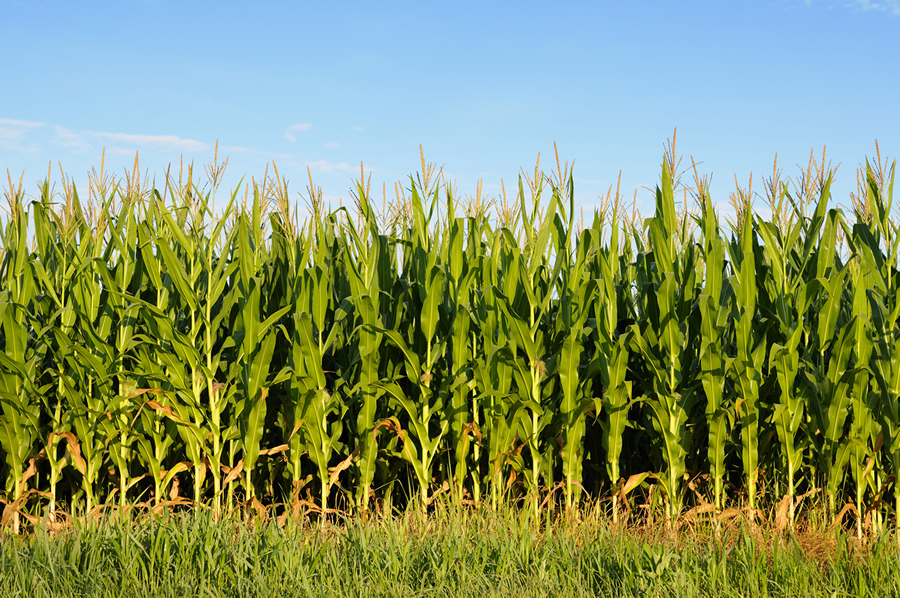
Cornfield
Cornfield

The most important cereal in the Western Hemisphere, corn is used as human food (ranking third in the world), as live-stock feed, and for industrial purposes.

Corn (Zea mays) is a coarse, annual plant of the grass (Gramineae) family. It ranges in height from 3 to 15 feet and has a solid, jointed stalk, and long, narrow leaves. A stalk usually bears one to three cobs, which develop kernels of corn when fertilized. Corn no longer grows in the wild; it requires human help in removing and planting the kernels to ensure reproduction.

In the United States and Canada, “corn” is the common name for this cereal, but in Europe, “corn” refers to any of the small-seeded cereals, such as barley, wheat, and rye. “Maize” (or its translation) is the term used for Zea mays in Europe and Latin America.

Culturally Significant Plants

Culturally Significant Plants

Plants are often used as a tool for ceremonial purposes, as artistic media to express indigenous traditions, or as herbal remedies or hallucinogenics to fulfill cultural needs and expectations. Culturally significant plants grow on all continents and are used by all ethnicities.

Historically, humans have appropriated plants for numerous cultural applications. Since prehistoric times, plants have served as symbolic organisms to represent aspects of the life cycle and seasonal changes, to worship, and to make offerings to gods. Plants were incorporated into mythology and legends to show their meanings to various cultures.

Ethnobotany

American Indians are an example of a historic ethnic group which selected specific plant species for cultural uses, such as rituals and ceremonies.

European Agriculture

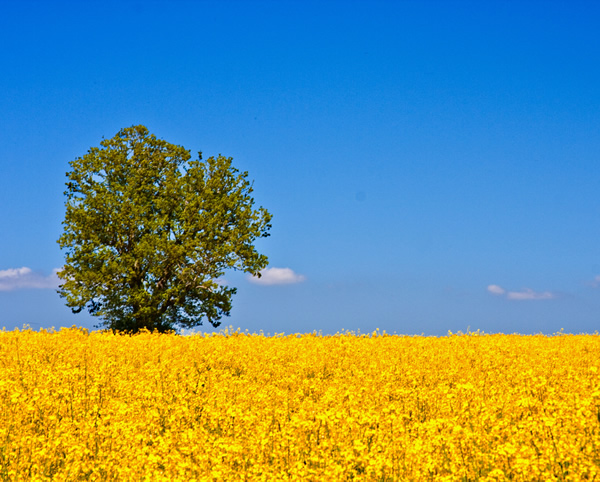
European agriculture, rapeseed field
Yellow rapeseed field

European agricultural practices are affected by the policies of the European Union, in addition to global conditions which influence farming everywhere.

Agriculture in Europe goes back to classical times. The development first of the Greek city states, then of the Roman Empire, created urban centers that required substantial amounts of food to be imported from as far away as Egypt. In the year 2000 European agriculture was dominated by two major groups: the European Union (EU), with fifteen member states, and those European states outside the EU.

The EU, which began with the Common Market created by the Treaty of Rome, signed in 1957, initially comprised France, West Germany, Italy, Belgium, the Netherlands, and Luxembourg. By the year 2000 it had expanded to include Great Britain, Ireland, Denmark, Greece, Spain, Portugal, Finland, Sweden, and Austria.

Food Chain

Food Chain

The food chain concept allows ecologists to interconnect the organisms living in an ecosystem and to trace mathematically the flow of energy from plants through animals to decomposers.

The food chain concept provides the basic framework for production biology and has major implications for agriculture, wildlife biology, and calculating the maximum amount of life that can be supported on the earth. As early as 1789, naturalists such as Gilbert White described the many sequences of animals eating plants and themselves being eaten by other animals.

However, the use of the term “food chain” dates from 1927, when Charles Elton described the implications of the food chain and food web concept in a clear manner. His solid exposition advanced the study of two important biological concepts: the complex organization and interrelatedness of nature, and energy flow through ecosystems.

Fruit Crops

Fruit crops
Fruit crops

Fruits are mature, or ripened, ovaries of angiosperms, their contents, and any accompanying accessory structures. From a botanical point of view, common foods such as grains, nuts, dried beans, squash, eggplant, and tomatoes are fruits, but in common usage the term is usually restricted to fleshy fruits that are commonly grown commercially as crops and are eaten, primarily raw, for their fleshy and juicy pulp.

Fertilization of ovules and the initiation of seed development lead to hormone production that triggers fruit development. Consequently, fruits usually contain seeds, but seeds can form without fertilization (parthenogenesis), and fruits can develop without seeds (parthenocarpy).

Many fruits that are cooked or eaten as part of a main course are usually classed as vegetables. This dichotomy is reflected in the origins of the two words: fruit, from the Latin fruor, “to enjoy,” and vegetable, from the Latin vegetare, “to enliven.”

Genetically Modified Foods

Genetically modified

Applications of genetic engineering in agriculture and the food industry could increase world food supplies, reduce environmental problems associated with food production, and enhance the nutritional values of certain foods.

However, these benefits are countered by food-safety concerns, the potential for ecosystem disruption, and fears of unforeseen consequences resulting from altering natural selection. Humans rely on plants and animals as food sources and have long used microbes to produce foods such as cheese, bread, and fermented beverages.

Conventional techniques such as cross-hybridization, production of mutants, and selective breeding have resulted in new varieties of crop plants or improved livestock with altered genetics. However, these methods are relatively slow and labor-intensive, are generally limited to intraspecies crosses, and involve a great deal of trial and error.

Grains

Grains
Grains

Grains are the fruits or seedlike fruits of plants, particularly members of the grass family, Poaceae. Important cereal grain crops are all produced by annual grasses and are dry (desiccant) fruits with the ovary wall fused to the seed coat. Inside the fruit wall-seed coat covering (the bran) is a small embryo (germ) and a large amount of stored food (endosperm).

Grains were the first domesticated crops and allowed the development of all of the great early civilizations. Several factors contribute to the importance of grains in agriculture: ease of growth, storage, and preparation; high yields; and high-energy, easily digestible content (starch).

The wild relatives of cereal grains all disperse their seeds by the shattering, or breaking apart, of mature fruiting stalks. Harvesting these wild species is a problem because the seeds are flung everywhere when the fruiting stalk is disturbed. A first step in the domestication of all grains was the elimination of shattering so that inflorescences could be harvested.

Grasses and Bamboos

Grasses
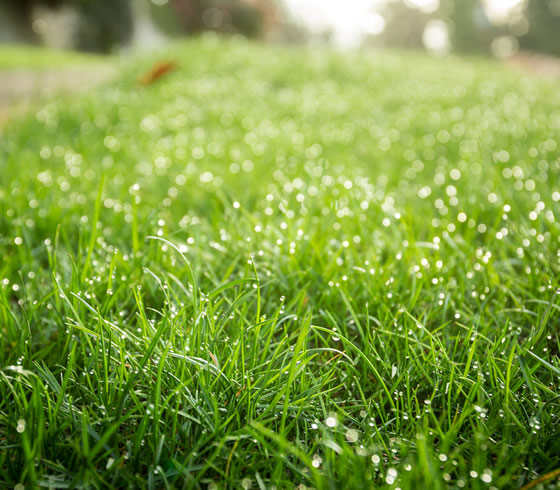
Grasses

Grasses are monocotyledonous flowering plants (phylum Anthophyta, the angiosperms) belonging to the family Poaceae, formerly Gramineae. The family is widespread and economically very valuable. All the grasses are herbaceous except for the bamboos, some of which are treelike.

Grasses arose seventy million to eighty million years ago, in the Late Cretaceous period of the Mesozoic era. They succeeded partly because they concentrate their growth lower down on the leaf and stem than other plants do and thus can regenerate quickly when fire or herbivores remove the top part of the plant.

This makes them ideal for human uses such as lawns and pasture for domestic livestock. Grasses are a very important food source for humans. Grasses provide all cereal grains—barley, corn, millet, oats, rice, rye, and wheat. Other grasses used for food include sorghum, sugarcane, and bamboo.

Green Revolution

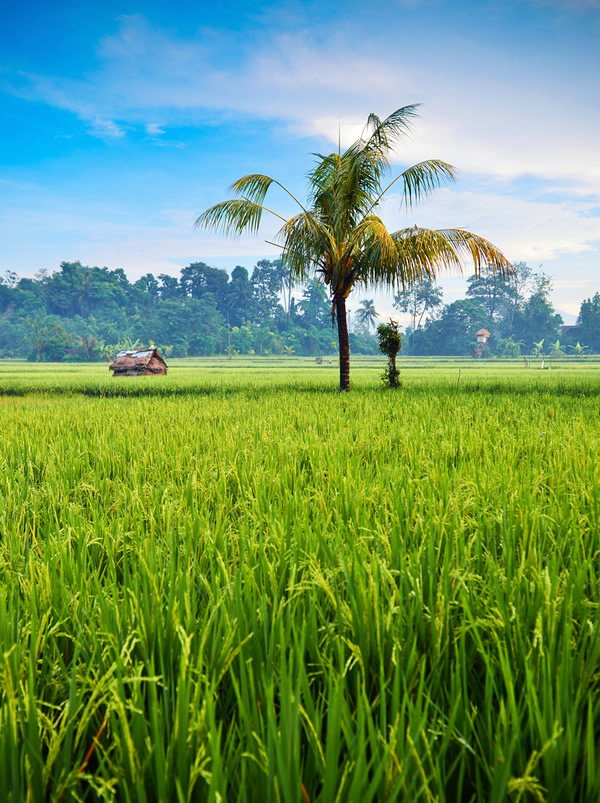
Green revolution - paddy field in Indonesia
Green revolution

The Green Revolution implemented advances in agricultural science to raise food production levels, particularly in developing countries. These advances are associated with the spreading use of high-yield varieties (HYV) of wheat, rice, and corn developed through advanced methods of genetics and plant breeding.

Yield Increases

The Green Revolution can be traced back to a 1940 request from Mexico for technical assistance from the United States to increase wheat production. By 1944, with the financial support of the Rockefeller Foundation, a group of U.S. scientists were researching methods of adapting the new high-yield variety (HYV) wheat that had been successfully used on American farms in the 1930’s to Mexico’s varied environments.

A major breakthrough is attributed to Norman Borlaug, who by the late 1940’s was director of the research in Mexico. For his research and work in the global dissemination of the Mexican HYV wheat, Borlaugwon the 1970 Nobel Peace Prize.

Herbs

Herbs
Herbs

The term “herb” has a variety of meanings but is most frequently used in one of three ways. To a botanist, an herb is a plant with a soft, flexible stem and a life cycle that is completed in one growing season. A person interested in medicinal plants would use the word “herb” to describe any plant with medicinal properties. In a culinary situation, an herb is a plant used to impart flavor to food.

Herb or Spice?

Herbs and spices are both used in cooking to modify the taste and smell of food. A clear distinction between herbs and spices is difficult to draw, but there are some broad differences that are useful to know.

Plants referred to as herbs, such as basil (Ocimum basilicum) or rosemary (Rosmarinus officinalis), typically have been used in temperate regions throughout much of recorded history.