Showing posts with label environmental issues. Show all posts

Acid Precipitation

forest damaged by acid rain

Acid precipitation is rain, snow, or mist which has a pH lower than unpolluted precipitation. Increased levels of acid precipitation have significant effects on food chains and ecosystems.

Precipitation—rain, snow, hail, sleet, or mist—is naturally acidified by carbonic acid (H2CO3). Carbon dioxide (CO2) in the atmosphere reacts with water molecules, lowering the pH of precipitation to 5.6. A pH scale is used to measure a solution’s acidity or alkalinity; pH is defined as the negative logarithm of the concentration of hydrogen ions, H+ . A solution with a pH of 7.0 is neutral. A pH lower than 7 is acidic, and a pH greater than 7 is alkaline.

Other acidic substances are also present in the atmosphere, causing "unpolluted" precipitation to have a pH approaching 5.0. Solutions with a pH of 5.0 or less have concentrations of hydroxyl ion, or OH , and carbonate ion, or CO3 , approaching zero.

Modern Agriculture Problems

Modern Agriculture
Modern Agriculture

Many current problems in agriculture are not new. Erosion and pollution, for example, have been around as long as agriculture. However, agriculture has changed drastically within its ten-thousand-year history, especially since the dawn of the Industrial Revolution in the seventeenth century.

Erosion and pollution are now bigger problems than before and have been joined by a host of other issues that are equally critical—not all related to physical deterioration.

Monoculture

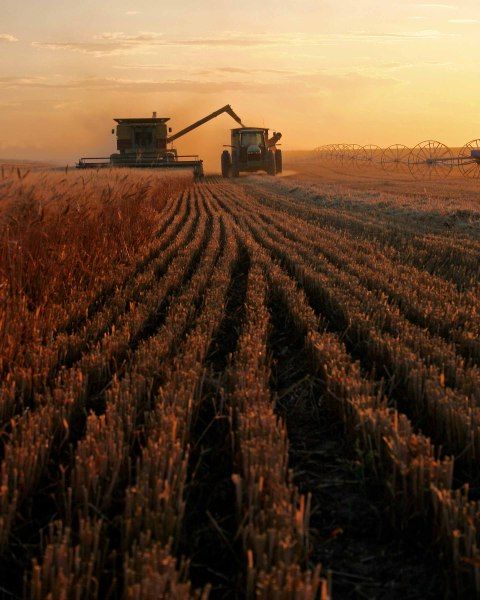
Modern agriculture emphasizes crop specialization, also known as monoculture. Farmers, especially in industrialized regions, often grow a single crop on much of their land. Problems associated with this practice are exacerbated when a single variety or cultivar of a species is grown. Such a strategy allows the farmer to reduce costs, but it also makes the crop, and thus the farmand community, susceptible to widespread crop failure.

Biological Invasions

Biological Invasions

Biological invasions are the entry of a type of organism into an ecosystem outside its historic range. In a biological invasion, the "invading" organism may be an infectious virus, a bacterium, a plant, an insect, or an animal.

Species introduced to an area from somewhere else are referred to as alien or exotic species or as invaders. Because an exotic species is not native to the new area, it is often unsuccessful in establishing a viable population and disappears.

The fossil record, as well as historical documentation, indicates that this is the fate of many species in new environments as they move from their native habitats. Occasionally, however, an invading species finds the new environment to its liking.

Biomass Related to Energy

Biomass Related to Energy

The relationship between the accumulation of living matter resulting from the primary production of plants or the secondary production of animals (biomass) and the energy potentially available to other organisms in an ecosystem forms the basis of the study of biomass related to energy.

Biomass is the amount of organic matter, such as animal and plant tissue, found at a particular time and place. The rate of accumulation of biomass is termed productivity. Primary production is the rate at which plants produce new organic matter through photosynthesis.

Secondary production is the rate at which animals produce their organic matter by feeding on other organisms. Biomass is an instantaneous measure of the amount of organic matter, while primary and secondary production give measures of the rates at which biomass increases.

Biopesticides

Biopesticides
Biopesticides
Biopesticides are biological agents, such as viruses, bacteria, fungi, mites, and other organisms used to control insect and weed pests in an environmentally and ecologically friendly manner.

Biopesticides allow biologically based, rather than chemically based, control of pests. A pest is any unwanted animal, plant, or microorganism. When the environment provides no natural resistance to a pest and when no natural antagonists are present, pests can run rampant.

For example, spread of the fungus Endothia parasitica, which entered New York in 1904, caused the nearly complete destruction of the American chestnut tree because no natural control was present. Viruses, bacteria, fungi, protozoa, mites, insects, and flowers have all been used as biopesticides.

Advantages of Biopesticides

Many plants and animals are protected from pests by passive means. For example, plant rotation is a traditional method of insect and disease protection that is achieved by removing the host plant long enough to reduce a region’s pathogen and pest populations.

Biosphere Concept

Biosphere Concept
Biosphere Concept

The term "biosphere" was coined in the nineteenth century by Austrian geologist Eduard Suess in reference to the 20-kilometer-thick zone extending from the floor of the oceans to the top of mountains, within which all life on earth exists.

Thought to be more than 3.5 billion years old, the biosphere supports nearly one dozen biomes, regions of climatic conditions within which distinct biotic communities reside.

Compounds of hydrogen, oxygen, carbon, nitrogen, potassium, and sulfur are cycled among the four major spheres, one of which is the biosphere, to make the materials that are essential to the existence of life.

Biotechnology

Biotechnology
Biotechnology

Biotechnology is the use of living organisms, or substances obtained from those organisms, to produce processes or products of value to humanity, such as foods, high-yield crops, and medicines.

Modern biotechnological advances have provided the ability to tap into a natural resource, the world gene pool, with such great potential that its full magnitude is only beginning to be appreciated.

Theoretically, it should be possible to transfer one or more genes from any organism in the world into any other organism. Because genes ultimately control how any organism functions, gene transfer can have a dramatic impact on agricultural resources and human health in the future.

Carbon Cycle

Carbon Cycle
Carbon Cycle

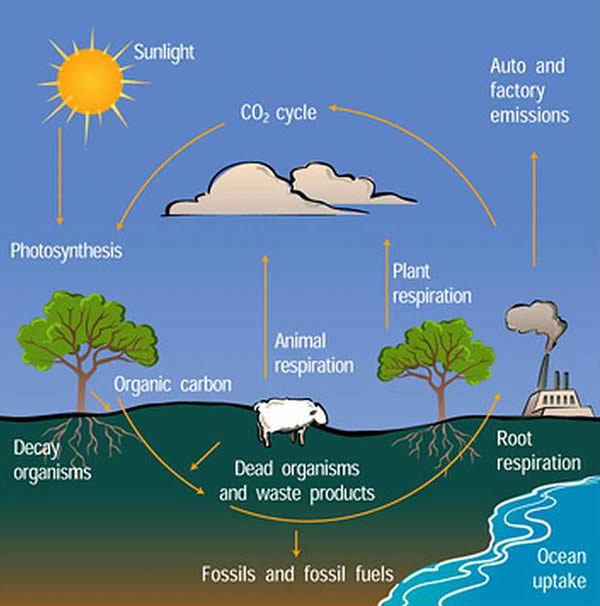
The carbon cycle is the movement of the element carbon through the earth’s rock and sediment, the aquatic environment, land environments, and the atmosphere. Large amounts of organic carbon can be found in both living organisms and dead organic material.

An enormous reservoir of carbon, on the order of 20 x 1015 tons, may be found on the surface of the earth. Most of this reservoir is found in rock and sediment. The carbon cycle therefore represents the movement of this element through the biosphere in a process mediated by photosynthetic plants on land and in the sea.

The process involves the fixation of carbon dioxide (CO2) into organic molecules, a process called photosynthesis. Energy used in the process is stored in chemical form, such as that in carbohydrates (sugars such as glucose). The organic material is eventually oxidized, as occurs when a photosynthetic organism dies.

Climate and Resources

Tropical rain forest in Southern Laos

Climate is described by the average of weather conditions at a place or in a region, usually recorded as both the mean and the extremes of temperature, precipitation, and other conditions.

Resources are the factors and characteristics of the natural environment that people find useful, including climate, land, soil, water, minerals, and wild vegetation. Thus, climate itself is a resource, affecting the character of the plant life and other resources it supports.

The nature and distribution of wild vegetation are to a large degree the products of climate: the temperature, moisture, solar radiation, and other environmental conditions that characterize a region. The major global vegetation types that accompany forest, shrub, grassland, desert, rain forest, tundra, and other biomes reflect climatic controls.

Deforestation

Deforestation
Deforestation

Deforestation is the loss of forestlands through encroachment by agriculture, industrial development, nonsustainable commercial forestry, or other human as well as natural activity.

Concerns about deforestation, particularly in tropical regions, have risen as the role that tropical forests play in moderating global climate has become better understood.

Environmental activists decried the apparent accelerating pace of deforestation in the twentieth century because of the potential loss of wildlife and plant habitat and the negative effects on biodiversity.

Drought

Drought in Bangladesh

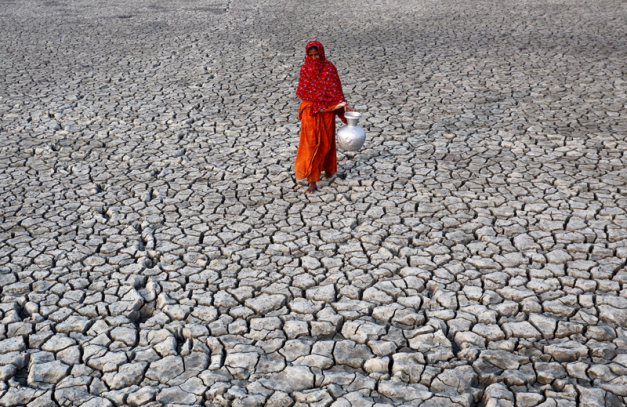
Drought is a shortage of precipitation that results in a water deficit for some activity. Droughts occur in both arid and humid regions.

One problem in analyzing and assessing the impacts of drought, as well as in delimiting drought areas, is simply defining “drought” itself. Conditions considered a drought by a farmer whose crops have withered during the summer may not be seen as a drought by a city planner.

There are many types of drought: agricultural, hydrological, economic, and meteorological. The Palmer Drought Severity Index is the best known of a number of indexes that attempt to standardize the measurement of drought magnitude. Nevertheless, there still is much confusion and uncertainty on what defines a drought.

Human Population Growth

Human Population Growth

Since the Industrial Revolution of the nineteenth century, human populations have experienced a period of explosive growth. Overpopulation now poses a real threat to plant lives, ecosystems, and the long-term sustainability of the earth’s current ecological balance.

Just eleven thousand years ago, there were only about five million humans who lived on the planet Earth. The initial population growth was slow, largely because of the way humans lived—by hunting. Such a mobile lifestyle limited the size of families for practical reasons.

When simple means of birth control, often abstention from sex, failed, a woman would elect abortion or, more commonly, infanticide to limit her family size. Furthermore, a high mortality rate among the very young, the old, the ill, and the disabled acted as a natural barrier to rapid population growth.

Monoculture

Monoculture - Brazil cane sugar field
Monoculture

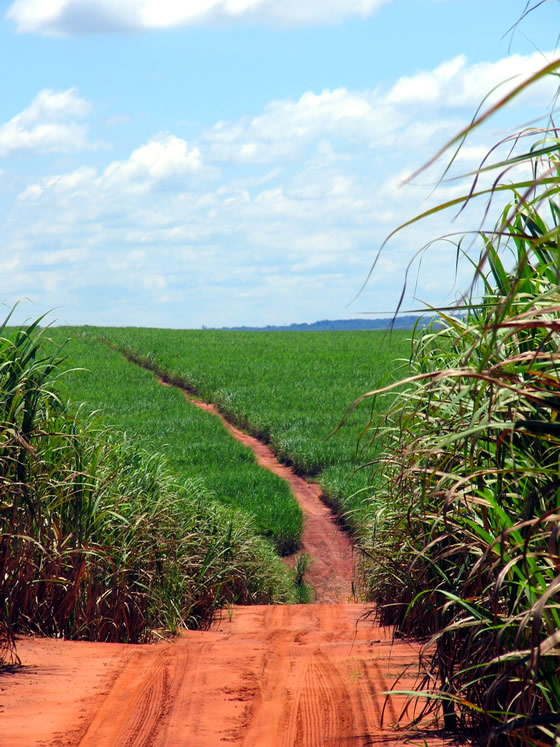
Monoculture is the agricultural practice of repetitively planting a single plant species rather than growing a variety of types of plants.

There has been considerable debate regarding the advantages and disadvantages of monoculture agriculture. This type of plant production is a system in which a single plant species, typically one producing grain (such as corn, wheat, or rice), forage (such as alfalfa or clover), or fiber (such as cotton), is grown in the same field on a repetitive basis, to the exclusion of all other species. In its most extreme version, a single variety of a plant species is grown, and all plants are virtually identical to one another.

Monoculture can be contrasted with other agricultural production practices, such as multiple cropping (in which sequential monoculture crops are grown in the same year) or intercropping (in which two or more different crops are grown at the same time and place). Monoculture can also apply to perennial produce systems, such as fruiting trees, citrus crops, tea, coffee, and rubber trees.

Old Growth Forest

Old growth forest
Old growth forest

Ancient ecosystems, old-growth forests consist of trees that have never been harvested. These forests are, in some cases, the only habitat for a number of plant and animal species.

The timber industry views the large, old trees as a renewable source of fine lumber, but environmentalists see them as part of an ancient and unique ecosystem that can never be replaced. In the 1970’s scientists began studying the uncut forests of the Pacific Northwest and the plants and animals that inhabited them.

In a U.S. Forest Service publication, Ecological Characteristics of Old-Growth Douglas-Fir Forests (1981), Forest Service biologist Jerry Franklin and his colleagues showed that these forests were not just tangles of dead and dying trees but rather a unique, thriving ecosystem made up of living and dead trees, mammals, insects, and even fungi.

Organic Gardening and Farming

Organic Gardening and Farming

Organic growing strives to produce healthy soils and plants through practices that replenish and maintain soil fertility. Organic farmers avoid the use of synthetic and often toxic fertilizers and pesticides.

At the beginning of agricultural history, farmers believed that plants “ate the soil” in order to grow. During the nineteenth century, German chemist Justus von Liebig discovered that plants extracted nitrogen, phosphorus, and potash from the soil.

His findings dramatically changed agriculture as farmers found they could grow crops in any type of soil, even sand and water solutions, if the right chemicals were added.

Pesticides

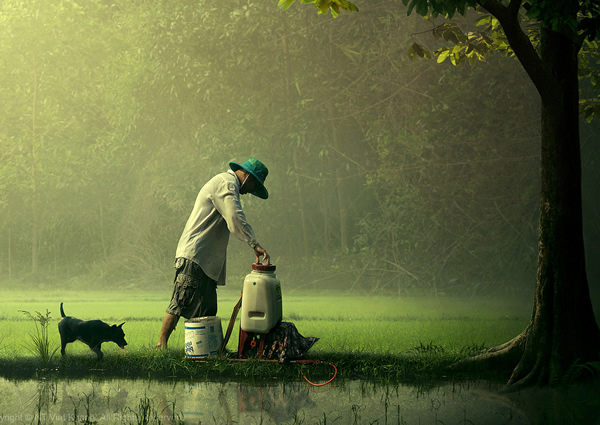
Preparing pesticide
Preparing pesticide

Pesticides are substances designed to kill unwanted plants, fungi, or animals that interfere, directly or indirectly, with human activities.

While the use of pesticides has mushroomed since the introduction of monoculture (the agricultural practice of growing only one crop on a large amount of acreage), the application of toxins to control pests is by no means new.

The use of sulfur as an insecticide dates back before 500 b.c.e. Salts from heavy metals such as arsenic, lead, and mercury were used as insecticides from the fifteenth century until the early part of the twentieth century, and residues of these toxic compounds are still being accumulated in plants that are grown in soil where these materials were used.

Plant Biotechnology

Plant Biotechnology
Plant Biotechnology

Plant biotechnology may be defined as the application of knowledge obtained from study of the life sciences to create technological improvements in plant species. By this very broad definition, plant biotechnology has been conducted for more than ten thousand years.

The roots of plant biotechnology can be traced back to the time when humans started collecting seeds from their favorite wild plants and began cultivating them in tended fields. It appears that when the plants were harvested, the seeds of the most desirable plants were retained and replanted the next growing season.

While these primitive agriculturists did not have extensive knowledge of the life sciences, they evidently did understand the basic principles of collecting and replanting the seeds of any naturally occurring variant plants with improved qualities, such as those with the largest fruits or the highest yield, in a process that we call artificial selection. This domestication and controlled improvement of plant species was the beginning of plant biotechnology.

Soil Degradation

Soil Degradation
Soil Degradation

A decline in soil quality, productivity, and usefulness due to natural causes, human activities, or both, is known as soil degradation. It is often caused by unfavorable alterations in one or all of a soil’s physical, chemical, and biological attributes.

In 1992, for the first global study of soil degradation, the World Resources Institute in Washington, D.C., reported that 3 billion acres of land worldwide had been seriously degraded since World War II. They also stated that 22 million acres of once usable land could no longer support crops.

Natural Processes and Human Activities

Of the total acreage lost to soil degradation, almost two-thirds is in Asia and Africa; most of the loss is attributable to water and wind erosion resulting from agricultural activities, overgrazing, deforestation, and firewood collection.

Soil Management

Soil Management
Soil Management

Tillage, conservation, and cropping practices are soil management techniques that are used to preserve soil resources while optimizing soil use.

Soils are managed differently depending on their intended use. Soil management groups are soil types with similar adaptations or management requirements for specific purposes, such as use with crops or cropping rotations, drainage, fertilization, forestry, highway engineering, and construction.

In managing soil for agriculture, soil management includes all tillage and planting operations, cropping practices, fertilization, liming, irrigation, herbicide and insecticide application, and other treatments conducted on or applied to the soil surface for the production of plants.

Soil Salinization

Soil salinization
Soil salinization

Soil salinization is a process in which water-soluble salts build up in the root zones of plants, blocking the movement of water and nutrients into plant tissues.

Soil salinization rarely occurs naturally. It becomes an environmental problem when it occurs as a result of human activity, denuding once vegetated areas of all plant life.

Rainwater is virtually free of dissolved solids, but surface waters and underground waters (groundwater) contain significant quantities of dissolved solids, ultimately produced by the weathering of rocks.