Showing posts with label plantae. Show all posts

Angiosperms

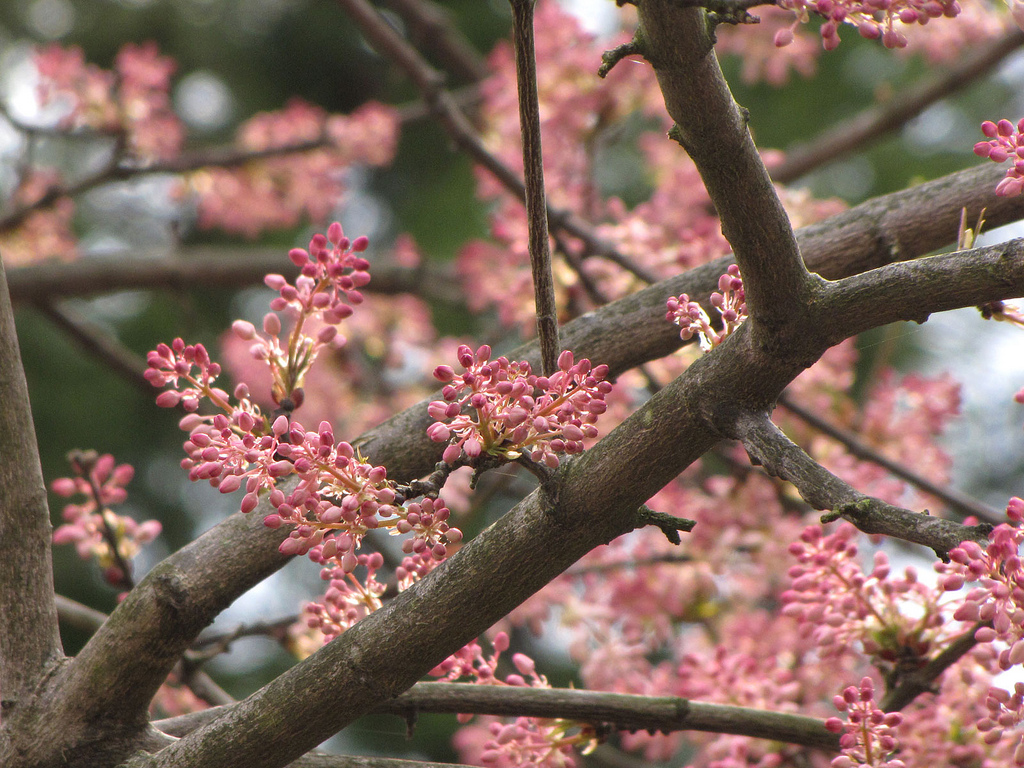
Angiosperms - Chinese Bladdernut Buds

The name "angiosperms" has long been used by botanists to refer to the flowering plants, a group of approximately 235,000 species. All angiosperms are members of the phylum Anthophyta.

The name "angiosperm" is actually derived from two Greekwords, angeion,meaning "vessel" or "container", and sperma, meaning "seed". The name was given in reference to the fact that the seeds of all flowering plants develop from ovules that are enclosed in a structure called a carpel.

This characteristic sets the angiosperms apart from all other plants, which either do not have seeds or have seeds that are not developed in structures resembling a carpel. Although the name angiosperm is used widely, plant taxonomists and many botanists typically refer to them by the more formal name Anthophyta, the phylum that contains the flowering plants.

Aquatic Plants

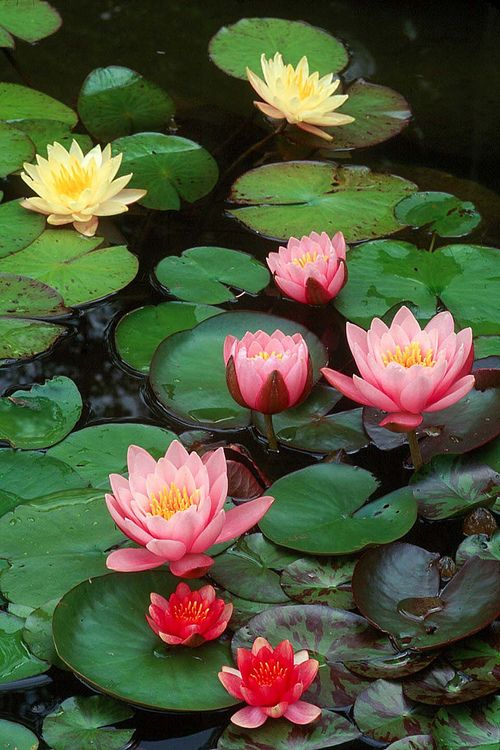
The Lotus flower is a metaphor for Buddhism/a metaphor for life- the muddy swamp is where the Lotus Flower blooms
Aquatics plants - Lotus flower

Aquatic plants are any "true" plants, members of the kingdom Plantae, that are able to thrive and complete their life cycle while in water, on the surface of water, or on hydric soils.

Hydric soils developwhen the ground is flooded or ponded long enough during the growing season to become anaerobic (depleted of oxygen) in the rooting zone. These soils include organic (peats and mucks) and inorganic (mineral) sediments.

Aquatic plants grow in fresh, brackish, and salt water but are most common in fresh water. Their habitats include flowing waters (rivers, streams, brooks), standing waters (lakes, ponds), and wetlands (bogs, fens, marshes, swamps), which are categorized as riverine, lacustrine, and palustrine communities, respectively.

Wetland plants are sometimes referred to as helophytes. Marshes are dominated (that is, more than half covered) by herbaceous species and swamps by woody species. Bog plants are aquatics that grow in acidic organic soils. Fen plants occur in alkaline organic soils.

Biochemical Coevolution in Angiosperms

Biochemical Coevolution in Angiosperms

Flowering plants, or angiosperms, produce many compounds that are not directly related to growth and development. These secondary metabolites arise from primary metabolic pathways and act as antiherbivory mechanisms, allelochemicals, or attractants.

Secondary metabolites are biochemicals produced by plants in response to selection pressures. These pressures may be from herbivory, competition, or the need for pollination.

As plants produce compounds to enhance their survival, predators, competitors, and pollinators react and evolve means of adjusting to the plant’s efforts. Chemically simple secondary metabolites may be widespread throughout angiosperm (flowering plant) families, whereas more complex chemicals are often restricted to a single species.

Bromeliaceae

Bromeliaceae
Bromeliaceae

The family Bromeliaceae comprises a group of perennial, monocotyledon herbs or trees that often age slowly.

Important ornamentals (called bromeliads) as well as sources of food and medicines, Bromeliaceae have substantial economic value and are widely cultivated. The colors of the leaves offer decorative foliage, and the flowers are of astonishing hues due to the rich content of pigment-forming substances known as anthocyanins.

Based on ovary position, habit, and floral and pollen morphology, the family Bromeliaceae has been split into three subfamilies: subfamily Pitcairnioideae, subfamily Tillandsioideae, and subfamily Bromelioideae.

Bryophytes

Bryophytes
Bryophytes

Bryophytes comprise three phyla of nonvascular plants, which generally lack the specialized conductive tissues (xylem and phloem) that are found in the vascular plants, are small in size, and are distributed worldwide in moist, shady habitats.

Bryophytes (from the Greek word bryon, meaning “moss”) were once grouped together into one large phylum. Many botanists today recognize that these organisms belong to at least three distinct phyla: phylum Hepatophyta (the liverworts), phylum Anthocerophyta (the hornworts), and phylum Bryophyta (the mosses).

Origin and Relationships

Bryophytes are thought to have originated more than 430 million years ago, during the Silurian period. Many botanists speculate that bryophytes arose from an ancestor in the green algal order Charales or Coleochaetales based on biochemical, morphological, and life history comparisons.

Cacti and Succulents

Organ Pipe Cactus NM (AZ)... I've been there; I camped there with my wife; it was exhilarating! Sadly, the threat from illegal boarder crossings and drug trafficking will forever prohibit my return.
Wild cacti

Succulents are fleshy plants that store water in natural reservoirs such as stems or leaves. Cacti are a group of flowering plants; all cacti are succulents.

The Cactaceae family includes about 1,650 to 3,500 species of cacti and succulents classified in 130 genera. Because they live in harsh, arid environments, these fleshy, spiny perennial plants have developed a variety of unique characteristics for protection and to retain water, reduce evaporation, and resist heat.

Cacti

The word “succulent” is derived from the Latin term sucus, meaning sap. All cacti are succulents. The word “cactus” is derived from the Greek term kaktos, describing thistles. Botanists estimate cacti first existed during the Mesozoic era, about 130 million years ago. Limited cacti fossil evidence exists (the earliest known specimen is about forty thousand years old).

Compositae

Compositae
Compositae

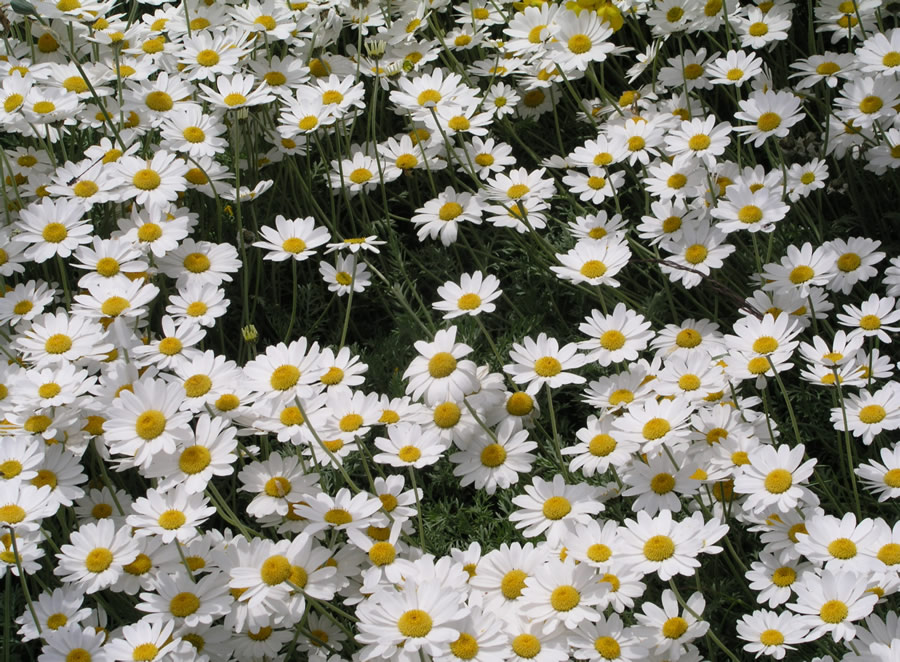
In number of species, the family Compositae or Asteraceae, commonly known as the sunflower family, is among the largest families of flowering plants.

The Compositae family consists of more than eleven hundred genera worldwide and possibly as many as twenty-three thousand species. Representatives of the family are found on every continent except Antarctica.

Species diversity is high in the southwestern United States and Mexico, in southern Brazil and along the South American Andes Mountain range, along the Mediterranean region, in Southwest and Central Asia, in South Africa, and in Australia.

Conifers

Forest trees
Conifers

The conifers, which are woody plants consisting mostly of evergreen trees, make up the phylum Coniferophyta, one of four phyla of gymnosperms that have living representatives. The word “conifer”means cone-bearing. Most conifers bear their reproductive structures in cones.

With 50 genera and 550 of the 700 known gymnosperm species, the phylum Coniferophyta includes the bulk of the gymnosperms. Coniferophyta is also the most widespread and, in terms of numbers of individual trees, the most abundant of the gymnospermphyla.

The abundance and economic and ecological importance of the Coniferophyta are out of all proportion to the number of species, which does not begin to compare to the 235,000 species of angiosperms (phylum Anthophyta).

Cycads and Palms

Cycads and Palms
Cycads and Palms

Members of the phylum Cycadophyta, cycads are descendants of giant, prehistoric seed-bearing, nonflowering plants that thrived when dinosaurs lived. Palms are flowering plants with primitive origins that share characteristics with cycads but are not related to them.

Cycadophyta is one of the four phyla of gymnosperms in the kingdom Plantae. At one time, cycads grew on every continent. Fossil cycads have been located in areas where no modern cycads grow, such as Antarctica and Europe, suggesting that those places once had milder temperatures.

Origins and Habitat

The oldest cycad fossils are 245 to 208 million years old, from the Triassic period. The first cycads are believed to have appeared in the Permian period 270 million years ago. Some botanists hypothesize that cycads originated as progymnosperms in the Devonian period about 408 million to 360 million years ago.

Eudicots

Eudicots
Eudicots

The eudicots, class Eudicotyledones (literally “true dicots”), are descended from a common ancestor and comprise three-quarters of all flowering plants. It is one of the two main classes of the angiosperms, the other being the monocots, or Monocotyledones.

Eudicots, the common name used for class Eudicotyledones, are the most common group of flowering plants, comprising 75 percent of all angiosperms. The other 25 percent, monocots (Monocotyledones), are often characterized by pollen grains that have a single aperture (or line of weakness).

Eudicots have pollen grains that typically possess three apertures, referred to as triaperturate pollen. Thus, there is no monocot-dicot division among the flowering plants.
Evolution of Plants

ferns (Pterophyta)
Ferns (Pterophyta)

As a result of prehistoric events such as the Permian-Triassic extinction event and the Cretaceous-Tertiary mass extinction event,many plant families and some ancestors of extant plant were extinct before the beginning of recorded history.

The general trend of earth’s plant diversification involves four major plant groups that rose to dominance from about the Middle Silurian period to present time. The first major group providing land vegetation comprised the seedless vascular plants, represented by the phyla Rhyniophyta, Zosterophyllophyta, and Trimerophytophyta. The second major group appearing in the late Devonian period was made up of the ferns (Pterophyta).

The third group, the seed plants (sometimes called the Coal Age plants), appeared at least 380 million years ago (mya). This third group includes the gymnosperms (Gymnospermophyta), which dominated land flora for most of the Mesozoic era until 100 mya.

Ferns

Ferns
Ferns

Ferns are among the most recognizable members of the phylum Pterophyta, which are primitive, nonflowering, vascular plants that primarily reproduce by spores and occur in many variations, complicating classification.

Approximately twelve thousand extant species of fern are classified in the phylum Pterophyta. These seedless plants display a diversity of physical and reproductive characteristics that separate them taxonomically. They have leaves containing branching veins known as megaphylls. Fossils from the Devonian period, about 395 million years ago, include some structures resembling Pterophyta.

These plants are believed to have been the source for gymnosperms. Most early fernlike plants that evolved in a variety of forms during the next period, the Carboniferous (approximately 345 million to 280million years ago), which is often referred to as the age of the ferns, became extinct afterward.

Ginkgos

Ginkgo
Ginkgo

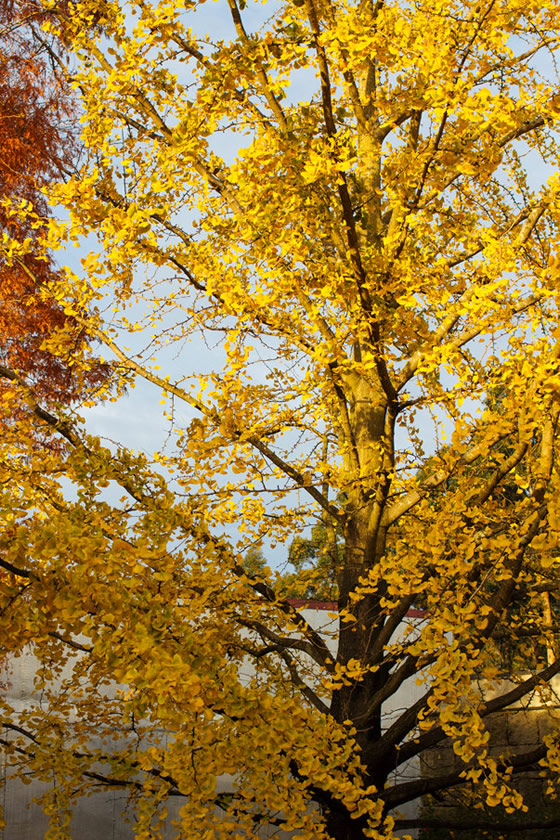
The ginkgos, phylum Ginkgophyta, constitute one of four phyla of the gymnosperms in the kingdom Plantae. Ginkgo biloba, the maiden hair tree, is the only living representative of the ginkgo family, Ginkgoaceae, a group of plants that have lived for millions of years and are identified by an abundant fossil record.

The ginkgo is a hairless, deciduous tree with a straight trunk and pyramid-shaped foliage usually sparsely branched when young, becoming denser with age. Leaves are fan-shaped, 2 to 3 inches (5 to 7.5 centimeters) across, sometimes divided into two lobes.

The ginkgo normally reaches heights of 80 to 100 feet (24 to 30meters) and under favorable conditions grows to 125 feet (38 meters) or more. The bark is reddish-gray and corky, with irregular, wide fissures dividing rough plates. On old trees, the bark becomes gray, rough, and deeply furrowed.

Gnetophytes

Gnetophytes
Gnetophytes

The gnetophytes are a small group of vascular seed plants composing the phylum Gnetophyta, which is one of four phyla of gymnosperms that have living representatives.

The Gnetophyta include only three genera Ephedra, Gnetum, and Welwitschia—each of which belongs to a separate family, in a single order, the Gnetales. The gnetophytes have a number of features in common with the flowering plants (phylum Anthophyta, the angiosperms), which has sparked scientific interest in the evolutionary relationships between the two groups; they are the only gymnosperms, for example, in which vessels occur.

There are about ninety species of gnetophytes. They are diverse in form and size, and their distribution varies widely, from moist, tropical environments to extremely dry deserts. Most gnetophytes are shrubs or woody vines. The leaves occur oppositely or in whorls of three.

Grasses and Bamboos

Grasses
Grasses

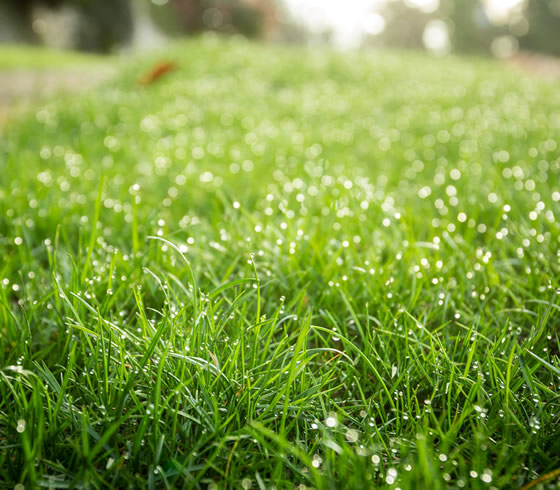
Grasses are monocotyledonous flowering plants (phylum Anthophyta, the angiosperms) belonging to the family Poaceae, formerly Gramineae. The family is widespread and economically very valuable. All the grasses are herbaceous except for the bamboos, some of which are treelike.

Grasses arose seventy million to eighty million years ago, in the Late Cretaceous period of the Mesozoic era. They succeeded partly because they concentrate their growth lower down on the leaf and stem than other plants do and thus can regenerate quickly when fire or herbivores remove the top part of the plant.

This makes them ideal for human uses such as lawns and pasture for domestic livestock. Grasses are a very important food source for humans. Grasses provide all cereal grains—barley, corn, millet, oats, rice, rye, and wheat. Other grasses used for food include sorghum, sugarcane, and bamboo.

Gymnosperms

Pine trees are a familiar example of gymnosperms
Gymnosperms: pine trees

Pine trees are a familiar example of gymnosperms, a series of evolutionary lines of woody vascular seed plants that produce seeds not encased in an ovary.

Two kinds of higher plants—the gymnosperms and angiosperms—have developed to become the dominant type of land plant. With the exception of a few aquatic angiosperms, they do not require water for pollen transfer and are thus free to live in a wide variety of habitats.

Gymnosperms and angiosperms differ primarily in the amount of protection they provide their ovules (the part that, after fertilization, becomes a weed), with gymnosperms usually providing less than angiosperms.

Halophytes

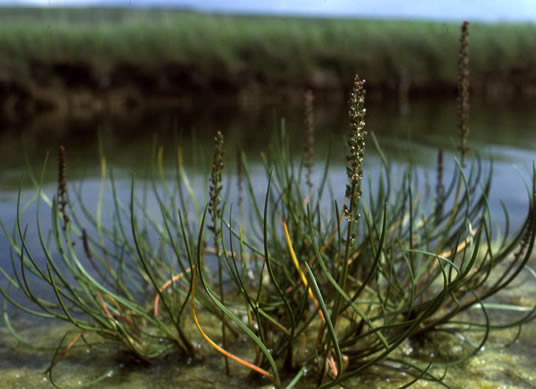
Halophytes: Sea Arrowgrass (Triglochin maritimum)

Halophytes are salt-resistant or salt-tolerant plants that thrive and complete their life cycles in soils or waters containing high salt concentrations. Despite high salt content in the tissues of halophytes, they can be grown and harvested as food or animal fodder.

The Salinity-Plant Relationship

Salts are ionic molecules that typically dissolve in water and split into cations (positively charged ions) and anions (negatively charged ions). Rain dissolves salts from minerals in rocks and soil.

These dissolved salts then either enter surface waters or percolate down to an aquifer. In arid regions where there is low rainfall, water evaporates quickly, leaving its salt load behind, leading to the development of saline soils, salt lakes, and brackish groundwater.

Hornworts

Hornworts
Hornworts

Hornworts are small, short, nonflowering, nonvascular plants which live both on land and in water. They represent an early land plant group and belong to three hundred species in the order Bryophyta. Related to mosses and liverworts, hornworts are sometimes called horned liverworts.

Evolutionary biologists have found a few fossils that could be the first known hornwort specimens. Fossilized spores dating from the late Cretaceous period, about 100 million years ago, are considered to be from hornworts.

Other fossils dated earlier in that period resemble hornworts but might actually have been liverworts. Spores from the Miocene epoch, approximately twenty-six million years ago, are the most common hornwort fossils.

Horsetails

Horsetails
Horsetails

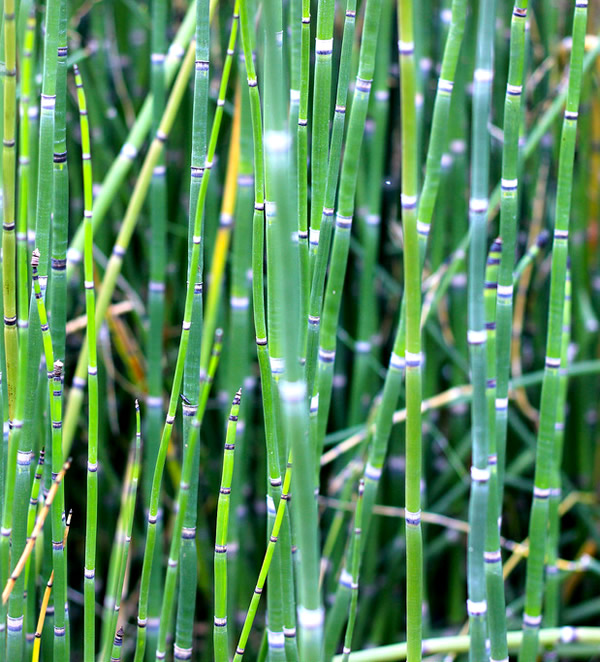
The plants known as horsetails or scouring rushes belong to the genus Equisetum, the only remaining genus in the phylum Sphenophyta, a group of seedless vascular plants.

Members of the phylum Sphenophyta, the horsetails, reached their maximum diversity during the Late Devonian and Carboniferous periods. One fossil group of the Sphenophyta, the calamites, grew from 12 to 18 meters (24 to 60 feet) in height, with trunks as much as 45 centimeters (more than 3 feet) in diameter.

Today these ancient plants survive in the single genus Equisetum. Equisetumis found throughout the world and, depending on the classification scheme, comprises between fifteen and twenty-five species.

Liverworts

Liverworts
Liverworts

Liverworts (phylum Hepatophyta) are one of three ancient lines of bryophytes (liverworts, hornworts, and mosses): low-growing land plants that depend on free water (rain) for fertilization.

Liverworts, with about six thousand species, generally prefer somewhat cooler, moister, shadier, and more acidic habitats than mosses. Like any bryophyte, a liverwort has a dominant (conspicuous) green gametophyte and a small, attached sporophyte, which is a single-stalked sporangium that developed from a fertilized egg.

As in hornworts, liverwort gametophytes are typically dorsiventrally symmetrical (flattened). A unique feature of liverworts is the presence, in the gametophyte, of oil bodies, cellular organelles that produce aromatic terpenoids.