|
| Bryophytes |
Bryophytes comprise three phyla of nonvascular plants, which generally lack the specialized conductive tissues (xylem and phloem) that are found in the vascular plants, are small in size, and are distributed worldwide in moist, shady habitats.
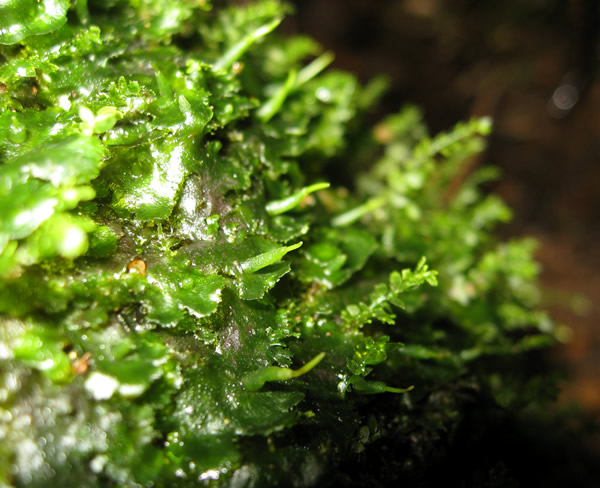
Bryophytes (from the Greek word bryon, meaning “moss”) were once grouped together into one large phylum. Many botanists today recognize that these organisms belong to at least three distinct phyla: phylum Hepatophyta (the liverworts), phylum Anthocerophyta (the hornworts), and phylum Bryophyta (the mosses).
Origin and Relationships
Bryophytes are thought to have originated more than 430 million years ago, during the Silurian period. Many botanists speculate that bryophytes arose from an ancestor in the green algal order Charales or Coleochaetales based on biochemical, morphological, and life history comparisons.