Showing posts with label reproduction and life cycles. Show all posts

Angiosperm Life Cycle

Angiosperm Life Cycle

The word "angiosperm" comes from the Greek words for "vessel" and "seed" and translates roughly as "enclosed seed". In part, angiosperms (the flowering plants, phylumAnthophyta) are defined by the fact that their seeds are enclosed by an ovule. The life cycle of an angiospermis defined by the formation of the seed and its development to a full-grown plant which, in turn, produces seeds.

Angiosperms are vascular plants with flowers that produce seeds enclosed in an ovule—a fact that is recognized as the angiospermy condition.

Reproductive Flower Parts

In general, angiosperms have a floral axis with four floral parts, two of which are fertile. At the receptacle, or tip, of the axis there is an ovule-bearing leaf structure known as the carpel. The ovule or ovules can be found inside the pistil. Three portions compose the pistil: the ovary, the style, and the stigma, where the pollen usually germinates.

Angiosperm Plant Formation

Angiosperm Plant Formation

Angiosperms are flowering plants. Their formation entails development from embryo to seed, through germination to seedling, and finally to mature plant.

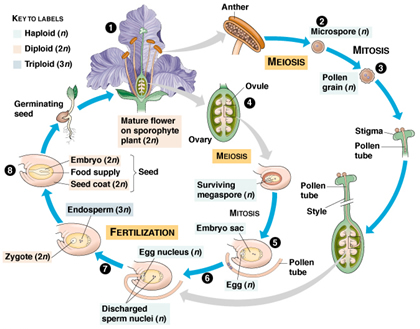
The life cycle of angiosperms (flowering plants) involves an alternation of generations between a dominant sporophytic (spore-producing) phase and a reduced gametophytic (gamete-producing) phase. The first cell of the sporophyte is the fertilized egg, or zygote, which undergoes repeated divisions, growth, and differentiation to form an embryo enclosed in the ovule.

After fertilization, the ovule is transformed into the seed, which germinates into a seedling. The seedling becomes the adult plant; the plant produces flowers inwhich the sperm and egg—representing, respectively, the male and female gametophytic generations—are formed. Fertilization occurs, and seeds are produced to continue the life cycle.

Bacterial Genetics

Bacterial Genetics
Bacterial Genetics

Bacterial genetics is the study of the genetic material of bacterial DNA, which can provide valuable insights into the process of mutation because of bacteria’s rapid rate of reproduction.

Plants were the original candidates for genetic studies, which began in the late 1800’s. Studies with animals soon followed; bacteria did not become candidates for such study until the mid-1940’s, when adequate technology for handling bacteria developed. Bacteria have become extremely useful organisms for genetic studies since the early 1950’s.

Two major features of bacteria make them desirable subjects. First, bacterial cells typically divide every twenty minutes. Their rapid rate of reproduction allows a very large number of bacteria to be produced in a short time. This, in turn, provides the researcher with more opportunity to detect the "rare genetic events" of mutation or recombination.

Bulbs and Rhizomes

Bulbs and rhizomes are modified stems, stem bases, or other underground organs used by plants for food (or energy) storage and in asexual reproduction.

Plants reproduce both sexually and asexually. Although sexual reproduction is part of the typical life cycle of plants, for a variety of reasons a plant may reproduce asexually. Exact duplicates of a plant, called clones, are formed by asexual reproduction.

Asexual Reproduction

Asexual reproduction involves the production of offspring through the formation of propagules by mitosis (the process of nuclear cell division). Because genetic recombination does not occur in mitosis, the offspring are genetically identical to the parent plant.

Asexual reproduction does not occur in all plants; some reproduce asexually only when humans intervene. Asexual reproduction occurs when a single plant produces a vegetative propagule that develops into a separate free-living plant. Many of the propagules that support asexual reproduction are actually highly modified branches. Others are modified roots.

Chloroplast DNA

Chloroplast DNA
Chloroplast DNA
Plants are unique among higher organisms in that they meet their energy needs through photosynthesis. The specific location for photosynthesis in plant cells is the chloroplast, which also contains a single, circular chromosome composed of DNA. Chloroplast DNA contains many of the genes necessary for proper chloroplast functioning.

A better understanding of the genes in chloroplast deoxyribonucleic acid (cpDNA) has improved the understanding of photosynthesis, and analysis of the deoxyribonucleic acid (DNA) sequence of these genes has been useful in studying the evolutionary history of plants.

Discovery of Chloroplast Genes

The work of nineteenth century Austrian botanist Gregor Mendel showed that the inheritance of genetic traits follows a predictable pattern and that the traits of offspring are determined by the traits of the parents.

Chromatin

Chromatin
Chromatin

Chromatin is an inclusive term referring to DNA and the proteins that bind to it, located in the nuclei of eukaryotic cells. The huge quantity of DNA present in each cell must be organized and highly condensed in order to fit into the discrete units of genetic material known as chromosomes. Gene expression can be regulated by the nature and extent of this DNA packaging in the chromosome, and errors in the packaging process can lead to genetic disease.

Scientists have known for many years that the hereditary information within plants and other organisms is encrypted in molecules of deoxyribonucleic acid (DNA) that are themselves organized into discrete hereditary units called genes and that these genes are organized into larger subcellular structures called chromosomes.

James Watson and Francis Crick elucidated the basic chemical structure of the DNA molecule in 1952, and much has been learned since that time concerning its replication and expression.

Chromosomes

Chromosomes
Chromosomes

Chromosomes contain the genetic information of cells. Replication of chromosomes assures that genetic information is correctly maintained as cells divide.

The genome of an organism is the sum total of all the genetic information of that organism. In eukaryotic cells, this information is contained in the cell’s nucleus and organelles, such as mitochondria and plastids. In prokaryotic organisms (bacteria and archaea), which have no nucleus, the genomic information resides in a region of the cell called the nucleoid.

A chromosome is a discrete unit of the genome that carries many genes, or sets of instructions for inherited traits. Genes, the blueprints of cells, are specific sequences of deoxyribonucleic acid (DNA) that code for messenger ribonucleic acids (monas), which in turn direct the synthesis of proteins.

DNA replication

DNA replication
DNA replication

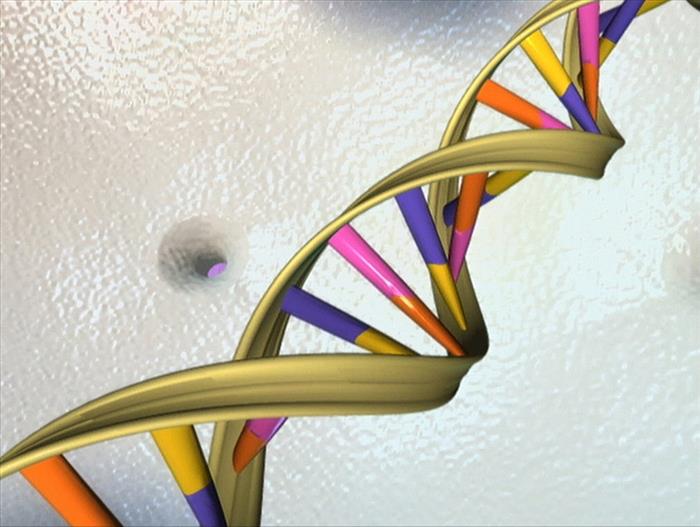
DNA, deoxyribonucleic acid, is the hereditary material of most living creatures. It carries genetic information that determines all types of plant lives. DNA replication is a process by which a single DNA molecule is copied, resulting in two identical molecules prior to the cell division. The accuracy and precision in DNA replication has ensured the continuity of life from generation to generation.

Following James Watson and Francis Crick’s landmark proposal for the structure of the deoxyribonucleic acid (DNA) molecule in 1953, many scientists turned their attention to how this molecule is replicated.

Extranuclear Inheritance

Extranuclear Inheritance

Extranuclear inheritance is a non-Mendelian form of heredity that involves genetic information located in cytoplasmic organelles, such as mitochondria and chloroplasts, rather than on the chromosomes found in the cell nucleus.

Extranuclear genes, also known as cytoplasmic genes, are located in mitochondria and chloroplasts of a cell rather than in the cell’s nucleus on the chromosomes. Both egg and sperm contribute equally to the inheritance of nuclear genes, but extranuclear genes are more likely to be transmitted through the maternal line because the egg is rich in the cytoplasmic organelles where these genes are located, whereas the sperm contributes only its nucleus to the fertilized egg.

Therefore, extranuclear genes do not follow genetic pioneer Gregor Mendel’s statistical laws of segregation and recombination. Cytoplasmic genes are of interest in understanding evolution, genetic diseases, and the relationship between genetics and embryology.

Flowering Regulation

Flowering regulation

All flowering is regulated by the integration of environmental cues into an internal sequence of processes. These processes regulate the ability of plant organs to produce and respond to an array of signals. The numerous regulatory switches permit precise control over the time of flowering.

Control over the time of flowering is essential for the survival of flowering plants (angiosperms). Insect pollinators may be present only at certain times; unless an insect-pollinated plant is flowering at that time, pollination and the production of the next generation cannot occur.

Embryo and seed development may be successful only under certain climatic conditions. The ability to respond to environmental cues is an essential factor in the regulation of flowering.

Structure and Types of Fruit

Fruits
Fruits

Fruits are the seed-containing reproductive organs, including nuts and grains, produced by angiosperms (flowering plants).

When most people think of a fruit, what typically comes to mind is a juicy, edible object, such as an apple, orange, or banana. To botanists, however, fruit includes many plant-derived structures, such as grains, nuts, and many vegetables.

In essence, a fruit is an enlarge dovary, often with some accessory tissue, that develops after a flower has been pollinated. After pollination, seed development begins, and soon the peripheral parts of the flower fall away, leaving the immature fruit. The fruit subsequently enlarges and then ripens to maturity. It is then often edible.

Genetic Drift

Genetic Drift

Genetic drift refers to random changes in the genetic composition of a population. It is one of the evolutionary forces that cause biological evolution, the others being selection, mutation, and migration, or gene flow.

Drift occurs because the genetic variants, or alleles, present in a population are a random sample of the alleles that adults in the previous generation would have been predicted to pass on, where predictions are based on expected migration rates, expected mutation rates, and the direct effects of alleles on fitness.

If this sample is small, then the genetic composition of the offspring population may deviate substantially from expectation, just by chance. This deviation is called genetic drift.

Germination and Seedling Development

Germination
Germination

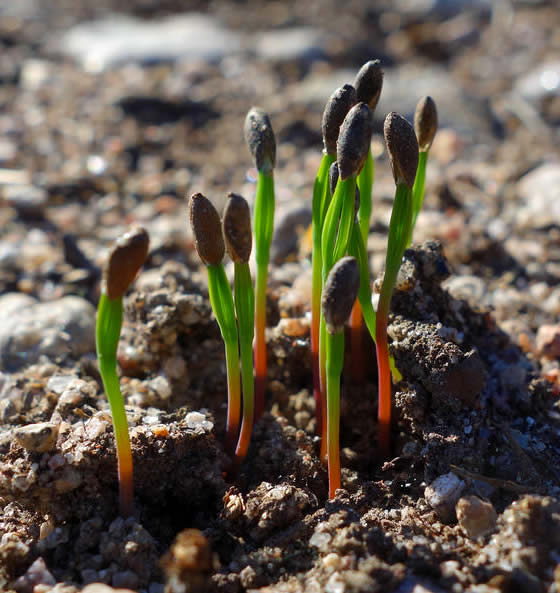
With germination, the growth of a seedling, spore, or bud begins. Seedling development begins with the close of germination. To germinate, seeds must be nondormant and in a suitable environment. Seeds germinate within a restricted range of temperatures, moisture, oxygen, light, and freedom from chemical inhibitors.

Wild seeds display many adaptations that predispose germination within specific habitats and seasons. By contrast, seeds of crops and other cultured plants usually lack controls that prevent germination.

The control system was lost because some seeds in the population lacked controls and were chosen when they germinated in the care of a culturist. For that reason, most cultivated plants that start from seeds show little or no germination control. Most of the information on germination control, therefore, covers wild species of plants.

Hybrid Zones

Hybrid zones
Hybrid zones

Hybrids are offspring of parents from different species. Hybrid zones are areas where such different species overlap and crossbreed. Hybridization and hybrid zones have played a major role in the formation of new species in a number of plant groups and represent major factors in the evolutionary process.

A hybrid individual is produced from successful matings (cross-pollination) between individuals from different species or between individuals from different populations that differ markedly in one or more heritable traits. The mating process by which hybrid offspring are produced is hybridization. A distinction needs to be made between natural and artificial hybrids.

An artificial hybrid typically involves direct human intervention in an effort to obtain plants with agricultural or horticultural properties superior to those of either parent. Natural hybrids do not involve human intervention; they occur naturally.

Leaf Abscission

Leaf Abscission
Leaf Abscission

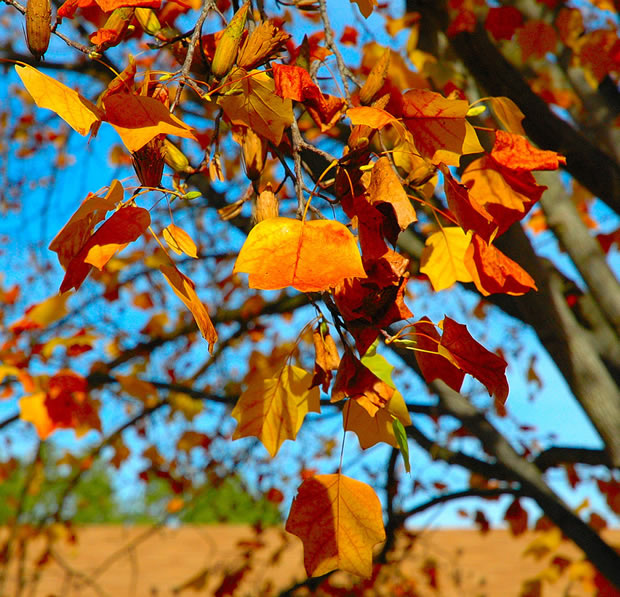
In the process of leaf abscission, plants periodically shed their leaves. Leaf abscission involves a number of biochemical and physical changes that are largely controlled by plant hormones.

Plants are primarily categorized as annuals, biennials, or perennials, based on their growth patterns. Annuals are those plants that undergo a complete life cycle from seed to seed in one growing season.

Biennials require two growing seasons to complete a life cycle; during the first year, only vegetative growth takes place. The above ground portion dies through the winter, and in the next growing season the roots send up a reproductive shoot that produces the seeds.

Monocots vs Dicots

Simplified monocots vs dicots

Within the angiosperms (flowering plants), two classes have been traditionally recognized by botanists: monocots and dicots. The terms connote differences between these groups’ seed embryos. The recently introduced class, eudicots, literally meaning “true dicots,” is increasingly used in place of the term “dicots.”

Of the large number of plant species which currently inhabit the earth, most (about one-quarter million) are angiosperms, plants that reproduce by means of flowers. The famous naturalist Charles Darwin called angiosperms “an abominable mystery.”

Even today, much remains to be learned about the ancestry of angiosperms and when and where angiosperms first appeared. It is now believed that the first extant angiosperm is a single species of the genus Amborella. This plant, found on an island in the South Pacific, is a shrub with cream-colored flowers.

Nonrandom Mating

Nonrandom Mating

Nonrandom mating occurs in plants when there is inbreeding or assortative mating. The consequence of nonrandom mating is that population genotype frequencies do not exist in Hardy-Weinberg equilibrium. Although nonrandom mating does not directly drive evolutionary change—meaning allele frequencies are not altered—it can have a profound effect on genotype frequencies and hence can indirectly affect evolution.

There are three main ways for nonrandom mating to occur. First, positive assortative mating results when individuals and their mates share one or more phenotypic characteristics with themselves.

Negative assortative mating occurs when individuals and their mates are dissimilar phenotypically. Inbreeding is a third form of nonrandom mating that occurs when individuals mate with relatives more often than would be expected by chance.

Nucleic Acids

Nucleic Acids

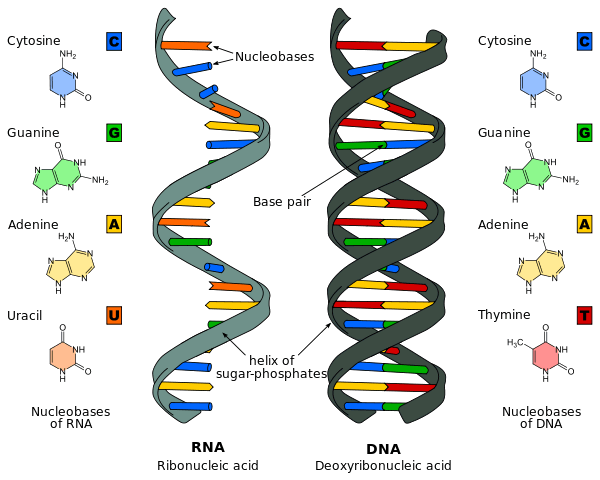
Nucleic acids are the genetic material of cells, including DNA and the various types of RNA.

Nucleic acids were discovered in the mid-nineteenth century, but their role as genetic material was not substantiated until the mid twentieth century. When chromosomes were discovered at the beginning of the twentieth century, they were quickly identified as the genetic material of the cell. Chromosomes were found to be composed of nucleic acids and proteins.

Through the experiments of Fred Griffith on transformation in pneumonia bacteria and the work of Alfred Hershey and Martha Chase on bacteriophages, by 1952 most biologists recognized deoxyribonucleic acid (DNA) as containing the genes. James Watson and Francis Crick provided the capstone to science’s initial understanding of nucleic acids when they determined the double helix structure of DNA in 1953.

Plant Life Spans

Plant life span
Plant life span

The cycle of a plant’s life, from seed germination to death, is referred to as its life span. Some plants have short life spans (less than one year), whereas others have life spans that are measured in centuries.

The longest-lived organisms are plants. For example, one bristlecone pine tree in eastern California is forty-nine hundred years old, and some creosote bushes, also in California, are estimated to be about twelve thousand years old. People have long recognized this variation in plant longevity, but the understanding of plant life spans improved greatly after research during the 1960’s.

Types of Life Spans

The life span of an individual plant depends upon two factors. The first is the innate, genetically determined potential for longevity. The second is the effects of the environment, including soil and weather conditions, competing plants, disease-causing microbes, and herbivores.

Polyploidy and aneuploidy

Polyploidy and aneuploidy

In aneuploidy, one or more whole chromosomes has been lost or gained from the diploid state. In polyploidy, one or more complete sets of chromosomes has been gained from the usual state (generally diploid), as in triploidy and tetraploidy.

For each species of higher plants and animals, the base number of nuclear chromosomes is called the haploid number, denoted as n. Individuals of most species are diploid, having double the haploid number of chromosomes (2n) in each somatic cell. Aneuploid and polyploid organisms have abnormal numbers of whole chromosomes.

Aneuploidy

Strictly speaking, aneuploidy refers to any number of chromosomes in a cell or organism that is not an exact multiple of the haploid number. However, in common practice the termis used to refer specifically to situations in which an organism or cell has only one chromosome or a few chromosomes added or missing.