Showing posts with label photosynthesis and respiration. Show all posts

Anaerobic Photosynthesis

Anaerobic photosynthesis, also known as anoxygenic photosynthesis, is the process by which certain bacteria use light energy to create organic compounds but do not produce oxygen. Anaerobes are those bacteria that cannot use oxygen to generate energy.

The photosynthetic process in all plants and algae, as well as in specific types of bacteria, involves the reduction of carbon dioxide to carbohydrate and the removal of electrons from water, resulting in the release of oxygen.

This process is known as oxygenic or aerobic photosynthesis. Water is oxidized by a multi-subunit protein located in the photosynthetic membrane. This is a molecular protein feature shared among more than 500,000 species of plants on earth.

While this is a common feature among nearly every form of plant life on earth, some photosynthetic bacteria can use light energy to extract electrons from molecules other than water. These bacteria are of ancient origin and are believed to have evolved before aerobic photosynthetic organisms.

C4 and CAM Photosynthesis


Alternative forms of photosynthesis are used by specific types of plants, called C4 and CAM plants, to alleviate problems of photorespiration and excess water loss.

Photosynthesis is the physiological process whereby plants use the sun’s radiant energy to produce organic molecules. The backbone of all such organic compounds is a skeleton composed of carbon atoms. Plants use carbon dioxide from the atmosphere as their carbon source.

The overwhelming majority of plants use a single chemical reaction to attach carbon dioxide from the atmosphere onto an organic compound, a process referred to as carbon fixation. This process takes place inside specialized structures within the cells of green plants known as chloroplasts.

Calvin cycle

Calvin cycle
Calvin cycle
The Calvin cycle is the principal mechanism that leads to the conversion of carbon dioxide into sugars by plants, algae, photosynthetic bacteria, and certain other bacteria that use chemicals as an energy source instead of light.

The Calvin cycle, also known as the Calvin Benson cycle, is an integral part of the process of photosynthesis in plants, algae, and photosynthetic bacteria. Named after its discoverer, Melvin Calvin of the University of California at Berkeley, its principal product is a three-carbon compound called glyceraldehyde 3-phosphate, or PGAL. Sugars are synthesized using PGAL as a starting material.

Light, absorbed by chlorophyll, is used to synthesize the high-energy compounds adenosine triphosphate (ATP) and reduced nicotinamide adenine dinucleotide phosphate (NADPH). Chlorophyll and the enzymes that are used for synthesis of ATP and NADPH are associated with internal membranes in all photosynthetic cells.

The ATP and NADPH, once formed, are released from the membrane-bound enzymes and diffuse into the surrounding solution inside the cell. The Calvin cycle takes place in this solution, using the ATP and NADPH molecules as a source of energy to drive the conversion of carbon dioxide into PGAL.

Carbon Cycle

Carbon Cycle
Carbon Cycle

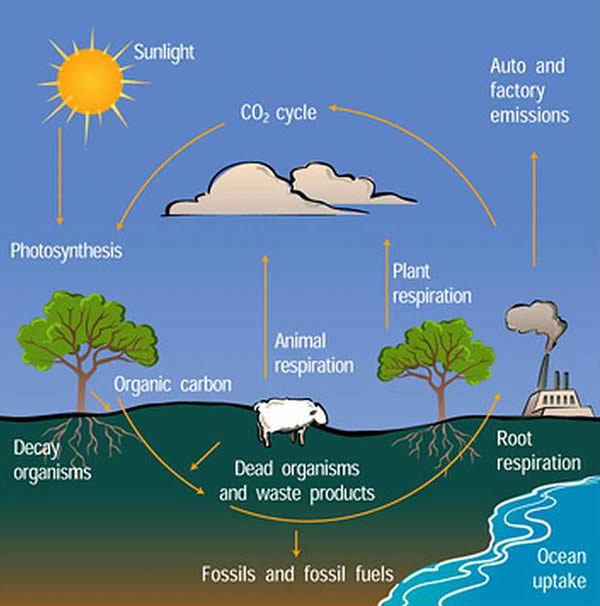
The carbon cycle is the movement of the element carbon through the earth’s rock and sediment, the aquatic environment, land environments, and the atmosphere. Large amounts of organic carbon can be found in both living organisms and dead organic material.

An enormous reservoir of carbon, on the order of 20 x 1015 tons, may be found on the surface of the earth. Most of this reservoir is found in rock and sediment. The carbon cycle therefore represents the movement of this element through the biosphere in a process mediated by photosynthetic plants on land and in the sea.

The process involves the fixation of carbon dioxide (CO2) into organic molecules, a process called photosynthesis. Energy used in the process is stored in chemical form, such as that in carbohydrates (sugars such as glucose). The organic material is eventually oxidized, as occurs when a photosynthetic organism dies.

Chloroplast DNA

Chloroplast DNA
Chloroplast DNA
Plants are unique among higher organisms in that they meet their energy needs through photosynthesis. The specific location for photosynthesis in plant cells is the chloroplast, which also contains a single, circular chromosome composed of DNA. Chloroplast DNA contains many of the genes necessary for proper chloroplast functioning.

A better understanding of the genes in chloroplast deoxyribonucleic acid (cpDNA) has improved the understanding of photosynthesis, and analysis of the deoxyribonucleic acid (DNA) sequence of these genes has been useful in studying the evolutionary history of plants.

Discovery of Chloroplast Genes

The work of nineteenth century Austrian botanist Gregor Mendel showed that the inheritance of genetic traits follows a predictable pattern and that the traits of offspring are determined by the traits of the parents.

Chloroplasts and Other Plastids

Plant cell chloroplast structure

Plastids are highly specialized, double membrane-bound organelles found within the cells of all plants and algae. A type of plastid called the chloroplast is the cellular location of the process of photosynthesis.

Plastids exhibit remarkable diversity with respect to their development, morphology, function, and physiological and genetic regulation. Chloroplasts, a type of plastid, are arguably largely responsible for the maintenance and perpetuation of most of the major life-forms on earth through photosynthesis.

The process of photosynthesis uses visible light as an energy source to power the conversion of atmospheric carbon dioxide into organic molecules that can be used by living organisms.

Energy flow in plant cells

Transformation of sunlight into biochemical energy

Life on earth is dependent on the flow of energy from the sun. A small portion of the solar energy, captured in the process of photosynthesis, drives many chemical reactions associated with living systems.

In living organisms, energy flows through chemical reactions. Each chemical reaction converts one set of substances, called the reactants, into another set, the products.

All chemical reactions are essentially energy transformations, in which energy stored in chemical bonds is transferred to other, newly formed chemical bonds. Exergonic reactions release energy, whereas endergonic reactions require an input of energy for a reaction to occur.

Gas Exchange in Plants

Gas exchange in plants

Gas exchange is the process whereby water vapor and oxygen leave and carbon dioxide enters plant leaves. The gaseous balance in plants is quite complex because plant cells carry on both respiration and photosynthesis.

All living organisms continually produce gases via metabolic and cellular activities, and the vast majority of living things are in one way or another in intimate contact with a gaseous medium.

In most instances, therefore, there is ample opportunity for all organisms to exchange gases with the environment. The gaseous balance in plants is quite complex because plant cells carry on both respiration and photosynthesis.

Photorespiration

Photorespiration

Photorespiration is a biochemical process in plants in which, especially under conditions of water stress, oxygen inhibits the Calvin cycle, the carbon fixation portion of photosynthesis.

Photorespiration results in the light-dependent uptake of oxygen and release of carbon dioxide and is associated with the synthesis and metabolism of a small molecule called glycolate. Photorespiration takes place in green plants at the same time that photosynthesis does. Because in photosynthesis carbon dioxide is taken in, and in photorespiration carbon dioxide is given off, these two processes work against each other.

The end result is that photorespiration decreases the net amount of carbon dioxide which is converted into sugars by a photosynthesizing plant. By interfering with photosynthesis in this way, photorespiration may significantly limit the growth rate of some plants.

Photosynthetic Light Absorption

Photosynthetic Light Absorption

Photosynthetic light absorption involves plants’ use of pigments to facilitate the conversion of light energy into chemical energy.

Photosynthesis occurs in green plants, algae, and certain types of bacteria. There is considerable variation among the types of pigments found in these different groups of organisms, but the basic mechanisms by which they absorb light are similar. Photosynthetic pigments are always attached to membranes within a cell.

In algae and higher plants, the photosynthetic pigments are located in the chloroplast, where photosynthesis takes place. The pigment molecules are not dispersed randomly within the chloroplast but are arrayed on the surface of the thylakoid membranes.

Photosynthetic Light Reactions

Photosynthetic Light Reactions

Photosynthetic light reactions involve the absorption of light energy by plant pigments and the conversion of light energy into adenosine triphosphate (ATP).

Photosynthesis is the process by which plants, algae, and certain types of bacteria use the energy of sunlight to manufacture organic molecules from carbon dioxide and water.

The process may be divided into two parts: the light reactions and the dark reactions. In the light reactions of photosynthesis, light energy coming from the sun or from an artificial light source is absorbed by pigments and used to boost electrons into higher energy levels so they can be used to do cellular work.

Pigments in Plants

Pigments in plants
Pigments in plants

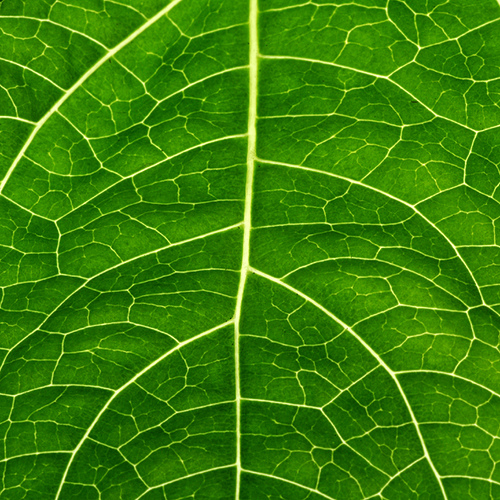
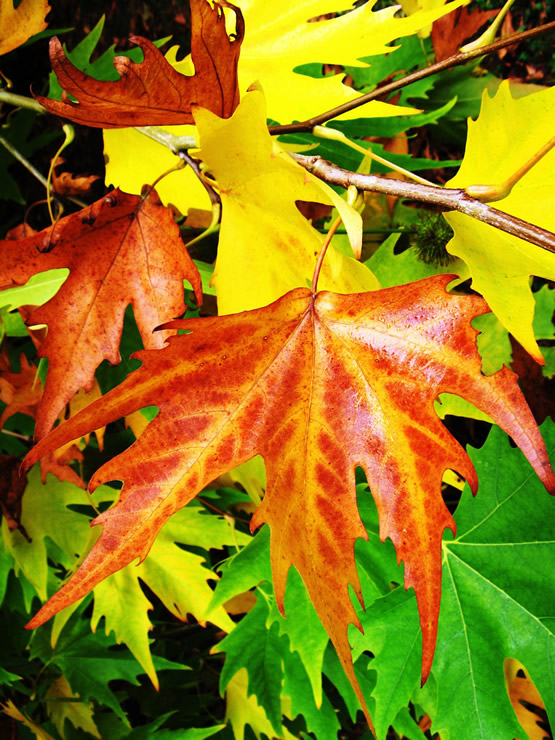
Photosynthetic pigments color plants and participate in photosynthesis. Other plant pigments are important in flowers and fruits to attract pollinators and seed dispersers. Humans use plant pigments in vitamins and dyes.

Plant pigments can be classified as either nitrogenous or non-nitrogenous, that is, either nitrogen-containing or non-nitrogen-containing.

Non-nitrogenous pigments

Non-nitrogenous forms are widely distributed and include the carotenoids and the quinones. Carotenoids are yellow, orange, or red pigments often involved as accessory pigments in photosynthesis. They are insoluble in water but soluble in a variety of nonpolar solvents. They are easily bleached by light or oxygen.

Respiration

Plant respiration
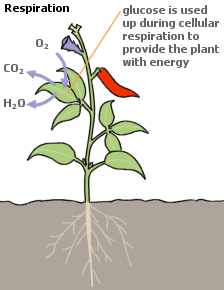
All cells must have a source of energy in order to survive. Almost all cells utilize ATP as their energy currency. In other words, ATP is produced and stored up until it is needed to supply energy for metabolic activity.

Respiration is the process by which cells oxidize a fuel, usually the simple sugar glucose, and use the energy released during this oxidation to produce ATP.

The term "metabolism" refers to the sum total of all the chemical activity that occurs within an organism. Metabolism can be further divided into two large categories, anabolism and catabolism.

Sugars

Sugar

Refined from sugarcane, sugar beets, and corn, sugars are a major and vital part of nutrition and provide the basic molecular structure for most living matter.

Sugars, through the process called cellular respiration, are the primary power sources used to produce adenosine triphosphate (ATP), the energy exchange molecule that sustains all life.

Energy is stored in organisms as starch or fat but is burned as sugar. Sugars include some of the simplest carbohydrates, and they are building blocks of more complicated molecules. Common sugars include glucose, fructose, sucrose, maltose, and lactose.