Composting

Composting
Composting

Compost is a mixture of organic ingredients used for fertilizing or enriching land. Composting is the practice of making and using compost.

Composting is a way for gardeners and farmers to enrich and otherwise improve the soil while reducing the flow of household waste to landfills. Essentially the slow, natural decay of dead plants and animals, composting is a natural form of recycling in which living organisms decompose organic matter.

The decay of dead plants and animals starts when microorganisms in soil feed on dead matter, breaking it down into smaller compounds usable by plants.

Compositae

Compositae
Compositae

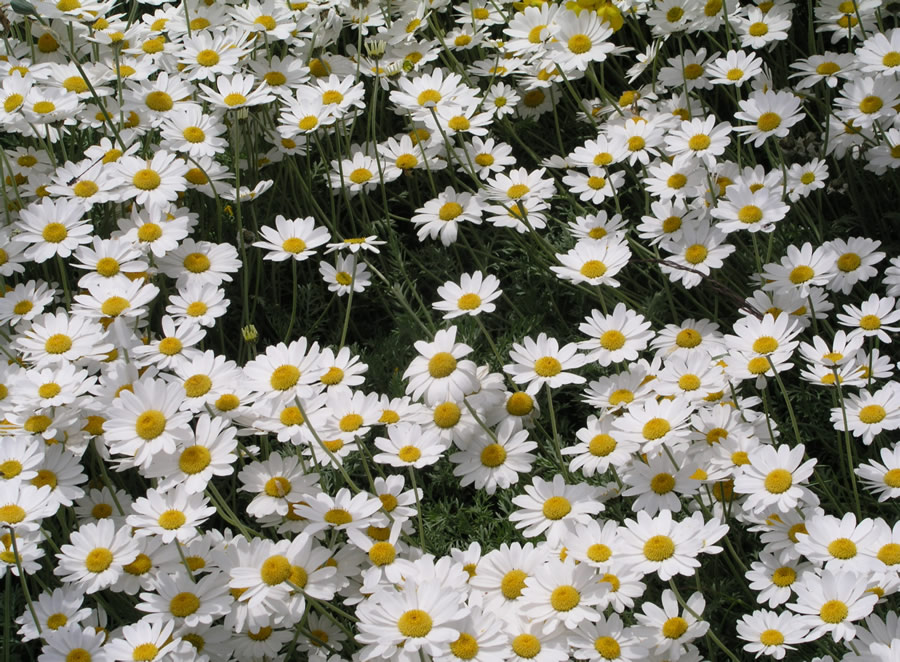
In number of species, the family Compositae or Asteraceae, commonly known as the sunflower family, is among the largest families of flowering plants.

The Compositae family consists of more than eleven hundred genera worldwide and possibly as many as twenty-three thousand species. Representatives of the family are found on every continent except Antarctica.

Species diversity is high in the southwestern United States and Mexico, in southern Brazil and along the South American Andes Mountain range, along the Mediterranean region, in Southwest and Central Asia, in South Africa, and in Australia.

Community Structure and Stability

Community Structure and Stability

An ecological community is the assemblage of species found in a given time and place. The species composition of different ecosystems and the ways in which they maintain equilibrium and react to disturbances are manifestations of the community’s stability.

The populations that form a community interact through the processes of competition, predation, parasitism, and mutualism. The structures of communities are determined, in part, by the nature and strength of these biotic factors.

Abiotic factors (physical factors such as temperature, rainfall, and soil fertility) are the other set of important influences determining community structure.

Competition

Plant competition
Plant competition

The struggle for food, space, and pollinators in order to survive can occur between individuals of different species (interspecific competition) or between individuals of the same species (intraspecific competition).

Competition is a major driving force in evolution, the process by which living organisms change over time, with better-adapted species surviving and less well-adapted species becoming extinct.

Evolution begins with mutation, changes in the nucleotide sequence of a gene or genes, resulting in the production of slightly altered genes which encode slightly different proteins.

Conifers

Forest trees
Conifers

The conifers, which are woody plants consisting mostly of evergreen trees, make up the phylum Coniferophyta, one of four phyla of gymnosperms that have living representatives. The word “conifer”means cone-bearing. Most conifers bear their reproductive structures in cones.

With 50 genera and 550 of the 700 known gymnosperm species, the phylum Coniferophyta includes the bulk of the gymnosperms. Coniferophyta is also the most widespread and, in terms of numbers of individual trees, the most abundant of the gymnospermphyla.

The abundance and economic and ecological importance of the Coniferophyta are out of all proportion to the number of species, which does not begin to compare to the 235,000 species of angiosperms (phylum Anthophyta).

Corn

Cornfield
Cornfield

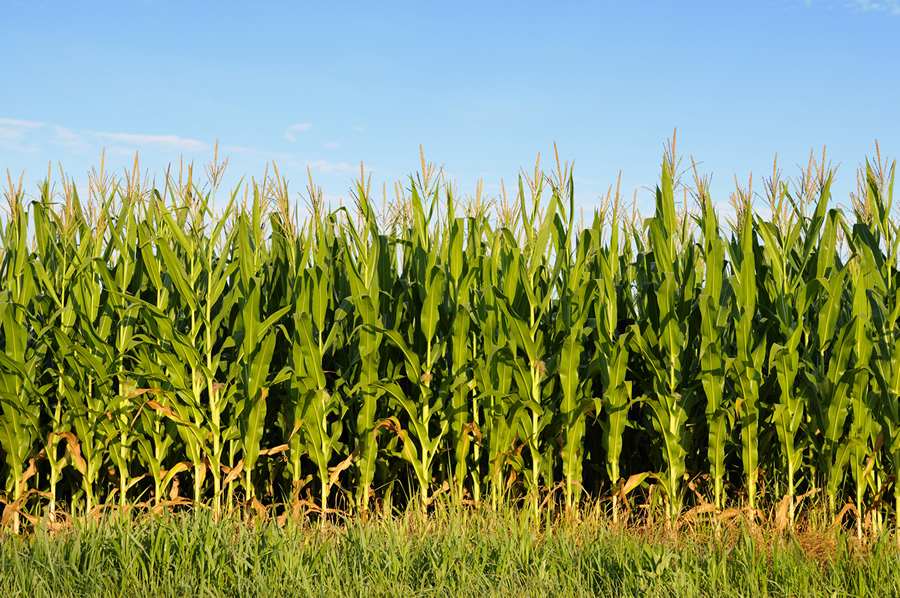
The most important cereal in the Western Hemisphere, corn is used as human food (ranking third in the world), as live-stock feed, and for industrial purposes.

Corn (Zea mays) is a coarse, annual plant of the grass (Gramineae) family. It ranges in height from 3 to 15 feet and has a solid, jointed stalk, and long, narrow leaves. A stalk usually bears one to three cobs, which develop kernels of corn when fertilized. Corn no longer grows in the wild; it requires human help in removing and planting the kernels to ensure reproduction.

In the United States and Canada, “corn” is the common name for this cereal, but in Europe, “corn” refers to any of the small-seeded cereals, such as barley, wheat, and rye. “Maize” (or its translation) is the term used for Zea mays in Europe and Latin America.

Cryptomonads

Cryptomonads
Cryptomonads

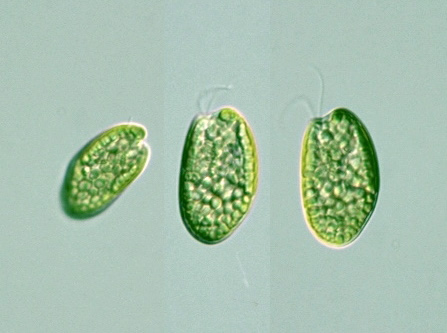
The phylum Cryptophyta describes tiny, motile, unicellular organisms with two slightly unequal flagella bearing lateral hairs. Cryptomonads live mainly in marine and freshwater environments.

Some cryptomonads are alga-like, with bluegreen, red, and olive-brown photosynthetic pigments including chlorophylls a, c2, alpha-carotene, xanthophylls (alloxanthin, crocoxanthin, zeaxanthin, and monadoxanthin), and phycobiliproteins (phycoerythrin and phycocyanin).

Cryptomonads are found in a variety of moist places, such as algal blooms in the ocean or in fresh water, and on beaches. Some members are intestinal parasites in animals.