Showing posts with label disciplines. Show all posts

Agronomy

Agronomy
Agronomy

Agronomy is a group of applied science disciplines concerned with land and soil management and crop production. Agronomists’ areas of interest range from soil chemistry to soil-plant relationships to land reclamation.

The word "agronomy" derives from the ancient Greek agros (field) and nemein (manage) and therefore literally means "field management". The American Society of Agronomy defines agronomy as "the theory and practice of crop production and soil management". There are many specialties within the study of agronomy.

Agronomic Specialties

Agronomy is the family of disciplines investigating the production of crops supplying food, forage, and fiber for human and animal use. It studies the stewardship of the soil upon which those crops are grown. Agronomy covers all aspects of the agricultural environment, from agroclimatology to soil-plant relationships.

Bacterial Genetics

Bacterial Genetics
Bacterial Genetics

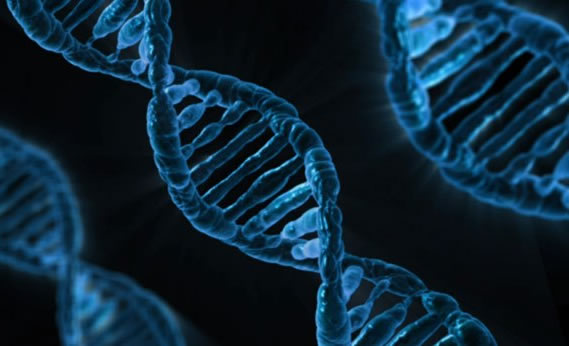
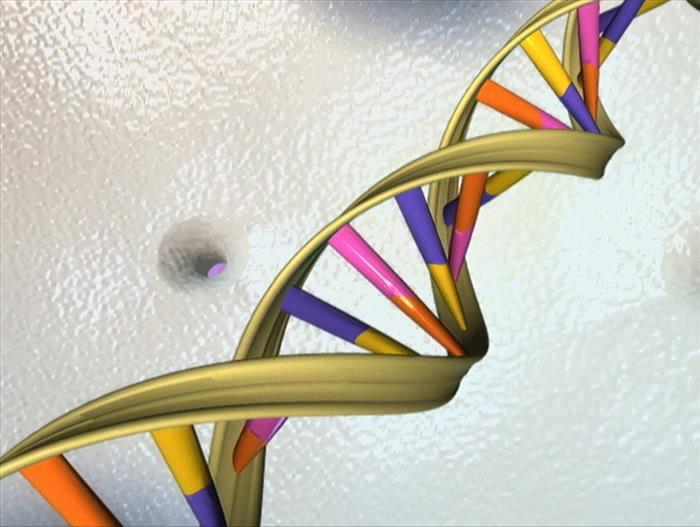
Bacterial genetics is the study of the genetic material of bacterial DNA, which can provide valuable insights into the process of mutation because of bacteria’s rapid rate of reproduction.

Plants were the original candidates for genetic studies, which began in the late 1800’s. Studies with animals soon followed; bacteria did not become candidates for such study until the mid-1940’s, when adequate technology for handling bacteria developed. Bacteria have become extremely useful organisms for genetic studies since the early 1950’s.

Two major features of bacteria make them desirable subjects. First, bacterial cells typically divide every twenty minutes. Their rapid rate of reproduction allows a very large number of bacteria to be produced in a short time. This, in turn, provides the researcher with more opportunity to detect the "rare genetic events" of mutation or recombination.

Biotechnology

Biotechnology
Biotechnology

Biotechnology is the use of living organisms, or substances obtained from those organisms, to produce processes or products of value to humanity, such as foods, high-yield crops, and medicines.

Modern biotechnological advances have provided the ability to tap into a natural resource, the world gene pool, with such great potential that its full magnitude is only beginning to be appreciated.

Theoretically, it should be possible to transfer one or more genes from any organism in the world into any other organism. Because genes ultimately control how any organism functions, gene transfer can have a dramatic impact on agricultural resources and human health in the future.

Cladistics

Cladistics
Cladistics
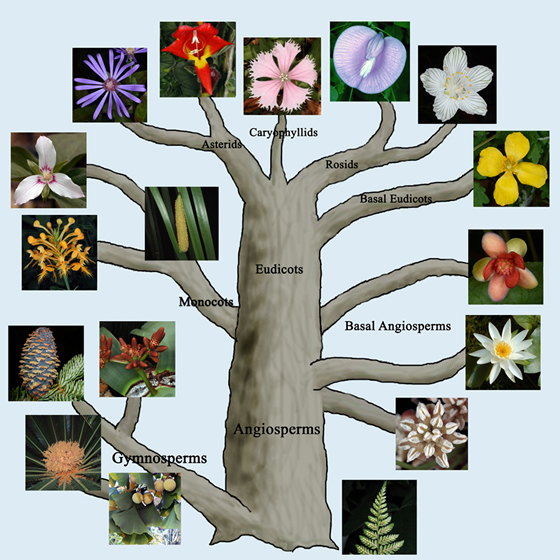
Cladistics is a quantitative method of classification of plants that attempts to recover evolutionary relationships, based on observable characters.

Since the dawn of history, humans have classified plants. In primitive cultures classifications were by economic use, such as food, clothing, medicine, and shelter. Later the form (morphology) of a plant became important, for example, trees, shrubs, or herbs.

Carolus Linneaus considered the similarity of floral parts to be critical, and this formed the basis of his classification system. Each of these systems is said to be “artificial.” That is, the classification was solely for a human purpose and did not attempt to indicate genetic relationships between plants.

Ecology: Concept

Ecology: Concept
Ecology: Concept

Ecology is the scientific study of ecosystems, which are generally defined as local units of nature, consisting of the aggregate of plants, animals, the physical environment, and their interactions.

Ecosystems consist of both biotic (living) and abiotic (nonliving) components. Biotic components include plants, animals, and microorganisms. The abiotic components are the physical factors of the ecosystem. The roots of ecology can be traced to the writings of early Greek philosophers such as Aristotle and Theophrastus, who were keen observers of plants and animals in their natural habitats.

During the nineteenth century, German biogeographer Alexander von Humboldt and English naturalist Charles Darwin wrote detailed descriptions of their travels. They recognized that the distribution of living things is determined by such factors as rainfall, temperature, and soil.

Forest Management

Forest management
Forest management

Forest management includes reforestation programs as well as techniques to manage logging practices, provide grazing lands, support mining operations, maintain infrastructure networks, or slow the destruction of rain forests.

Forests provide lumber for buildings, wood fuel for cooking and heating, and raw materials for making paper, latex rubber, resin, dyes, and essential oils. Forests are also home to millions of plants and animal species and are vital in regulating climate, purifying the air, and controlling water run-off.

A 1993 global assessment by the United Nations Food and Agriculture Organization (FAO) found that three-fourths of the forests in the world still have some tree cover, but less than one-half of these have intact forest ecosystems. Deforestation is occurring at an alarming rate, and management practices are being sought to try to halt this destruction.

Genetics: Mendelian

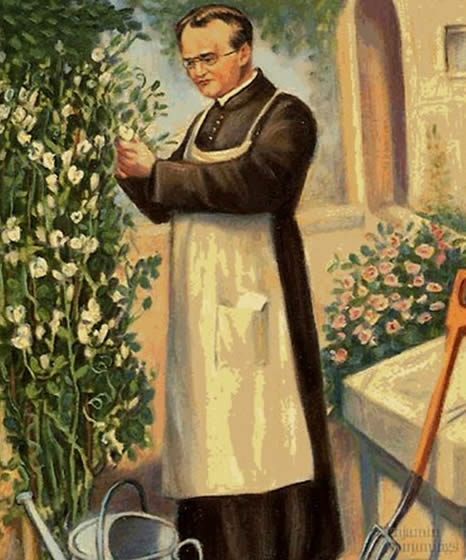
Gregor Mendel (1822-1884)

Mendelian genetics is the classical mechanistic explanation of heredity in sexually reproducing organisms. It explains how genetic information is passed from one generation to another.

In 1866 the Augustinian monk Gregor Mendel (1822-1884) published a paper titled “Versuch über Pflanzenhybriden” (Experiments in Plant Hybridisation, 1910), describing the heredity of mutant characteristics of garden peas.

Mendel founded the modern science of genetics with these experiments, because they led him to propose the existence of hereditary factors, now called genes, and rules describing their inheritance, now referred to as Mendel’s laws. The importance of Mendel’s work was not recognized until 1900, sixteen years after his death, when the movements of chromosomes during cell division were carefully studied.

Genetics: Post-Mendelian

Post-Mendelian genetics

Thirty years after the work of Gregor Mendel in the nineteenth century, several rediscoveries of his work in genetics brought his theories to the fore. At about the same time, the discovery of chromosomes, coupled with the earlier knowledge, took genetics in a new direction.

Gregor Mendel (1822-1884) is often considered the founder of the science of genetics. Though his experiments with pea plants became the basis for understanding genetics in all plants and animals, he died unknown. In 1900 three simultaneous “rediscoveries” of Mendel’s studies put his name at the forefront of biology.

With the reintroduction to the world of Mendel’s genetic laws, biologists began to look more closely at genetic phenomena. These researchers used Mendel’s laws as the basis for more in-depth studies of genetics, which led to the modern understanding of genes, chromosomes, and their inheritance.

Horticulture

Horticulture
Horticulture

Horticulture is the branch of agriculture that is connected with the production of plants that are directly used by people for food, medicine, and aesthetic purposes.

The ability to produce crops, particularly those crops associated with food and fiber, is the multidisciplinary science of intensively cultivating plants to be used by humans for food, medicinal purposes, or aesthetic satisfaction.

Crop production is largely determined by a variety of environmental conditions, including soil,water, light, temperature, and atmosphere. Therefore, horticulture science is primarily concerned with the study of how to manipulate the plants or these environmental factors to achieve maximum yield.

Hydroponics

Hydroponics
Hydroponics

Literally “water culture,” hydroponics originally referred to the growth of plants in a liquid medium. It now applies to all systems used to grow plants in nutrient solutions with or without the addition of synthetic soil for mechanical support.

Hydroponics has become an important method of crop production with the increase in the number of commercial greenhouse operations. Greenhouses are utilized in the production of a wide array of bedding plants, flowers, trees, and shrubs for commercial as well as home and garden use.

Cash receipts from greenhouse and nursery crops total more than $4 billion annually. In some arid regions, the majority of vegetable crops are produced in greenhouses.

Molecular Systematics

Molecular Systematics

Molecular systematics is the discipline of classifying organisms based on variations in protein and DNA in order to make fine taxonomic categorizations not solely dependent on morphology.

Taxonomy, sometimes called systematics, is the study of categorizing organisms into logically related groupings. Historically, the way to perform taxonomy was to examine physical characteristics of organisms and classify species according to the most commonly held traits. Unfortunately, this method of systematizing plants and animals assumed that because they have common physical traits, they have common ancestry.

A gross form of this miscategorization might take place, for example, if one suggested that since both mushrooms and ivy can grow on the sides of trees, they are closely related. The two species certainly have common physical traits but only vaguely resemble each other.

Paleobotany

Paleobotany
Paleobotany

The study of plants in the fossil record, in order to understand both the evolution of plant life and the ecology of ancient eras, is known as paleobotany.

Only a small percentage of the plants that ever lived left a record of their existence, surviving as fossils: mineralized wood, flowers in amber, leaf imprints in coal, or other indicators of life in an earlier era. Paleobotanists document this fossil record and use it to interpret the past evolution of plants.

Importance of Plant Fossils

Paleontology (or paleobiology) is the science concerned with fossils, the physical evidence of prehistoric life—including plants, animals, and microorganisms—on the earth. Paleobotany focuses on plant fossils, including algae, fungi, and related organisms, as well as mosses, ferns, and seed plants.

As most organisms decompose rapidly after death, their preservation in nature is a rare event. Most individuals are not represented in the fossil record, and even many species that must have existed have vanished without a trace.

Paleoecology

Paleoecology
Paleoecology

Paleoecology is the study of ancient environments. As a field of science, paleoecology ismost closely related to paleontology, the study of fossils. It is also related to paleobotany and a number of other areas of study dealing with the distant past.

Because paleoecology and its related disciplines (paleontology, paleobotany, paleoclimatology, paleogeography, and others) deal with the past, scientists are unable to apply the usual scientific criteria of direct observation and measurement of phenomena.

In order to make any conclusions about the past, scientists must assume at least one statement to be true without direct observation: The processes that exist in the modern universe and on the modern earth existed in the past.

Soil Management

Soil Management
Soil Management

Tillage, conservation, and cropping practices are soil management techniques that are used to preserve soil resources while optimizing soil use.

Soils are managed differently depending on their intended use. Soil management groups are soil types with similar adaptations or management requirements for specific purposes, such as use with crops or cropping rotations, drainage, fertilization, forestry, highway engineering, and construction.

In managing soil for agriculture, soil management includes all tillage and planting operations, cropping practices, fertilization, liming, irrigation, herbicide and insecticide application, and other treatments conducted on or applied to the soil surface for the production of plants.

Sustainable Agriculture

Sustainable Agriculture

Sustainable agriculture is the practice of growing and harvesting crops in a manner that will allow the land to return to its pre cultivation state. It seeks to maintain the quality of air, soil, and water resources for future human use and for wildlife.

Most twentieth century agricultural practices were based upon continued economic growth. This practice demonstrated dramatic increases in production but had negative impacts on the environment through the losses of plant and animal habitats, depletion of soil nutrients, and increases in pollution of water supplies. The concept of sustainable development is based on using renewable resources and working in harmony with ecosystems.

The World Commission on Environment and Development described the concept of sustainable development as being able “to meet the needs of the present without compromising the ability of future generations to meet their own needs.”

Systematics and Taxonomy

Systematics and Taxonomy

Systematics deals with evolutionary, or phylogenetic, relationships among organisms, whereas taxonomy is more involved with the classification, naming, and description of organisms.

In practice, the two terms are often used interchangeably to refer to the study of relationships among organisms,which in turn often derives from their description and drives their naming.

The history of the disciplines of systematics and taxonomy has shifted with the evolution over the years of the state of knowledge about living organisms, their origins, and their relationships. There has been a historical shift from an emphasis on classification (simply naming and identifying organisms) to the study of phylogenetic (evolutionary) relationships.