Proteins and Amino Acids

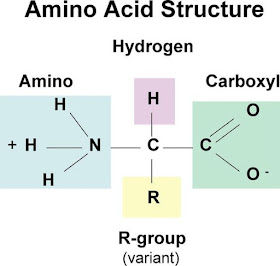
Amino acids structure

Proteins are found in all cells and carry out a variety of important cellular functions. Within any one cell there may be thousands of different proteins having a variety of sizes, structures, and functions. Proteins are also important structural components of the cell wall.

Proteins are the most complex and abundant of the macro molecules. Within cells, many proteins function as enzymes in the catalysis of metabolic reactions, while others serve as transport molecules, storage proteins, electron carriers, and structural components of the cell.

They are especially important in seeds, where they make up as much as 40 percent of the seed’s weight and serve to store amino acids for the developing embryo.
Protista

Protista
Protista

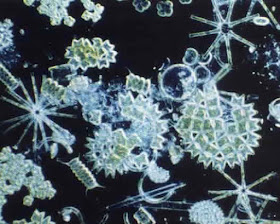
The Protista form one of the four kingdoms of eukaryotic organisms and include the algae, protozoans, slimemolds, and oomycota.

Included among the diverse organisms called protistans (kingdom Protista) are algae, protozoans, slime molds, and the oomycota. Algae were long considered to be simple plants and were assigned to kingdom Plantae but lack the more highly differentiated tissues and organs characteristic of “higher plants” such as mosses, ferns, and seed plants.

Protozoa, all of which are unicellular, were assigned to the kingdom Animalia; considered more animal-like than plant-like, they are not considered here in detail.

Psilotophytes

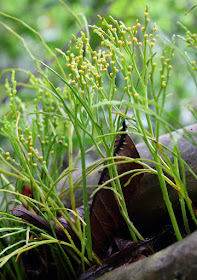
Psilotophytes - Psilotum nudum (Moa)

Psilotophyte is the common name for members of the phylum Psilotophyta (from the Greek word psilos, meaning “bare”). Molecular evidence points to the likelihood of psilotophytes as being highly reduced (and therefore derived) ferns.

If psilotophytes are indeed reduced ferns, they probably diverged from the fern lineage early, after ferns arose some 400 million years ago during the Devonian period.

The family Psilotaceae is the only family of psilotophytes. There are two living genera: Psilotum and Tmesipteris. Psilotum, the whisk fern, is widespread throughout tropical and subtropical regions. Lacking leaves and roots, Psilotum species grow in a variety of soil conditions, including very warm soils near active volcanoes, or they may be epiphytic, growing on the trunks of host trees.

Rain Forest Biomes

Rain Forest Biomes
Rain Forest Biomes

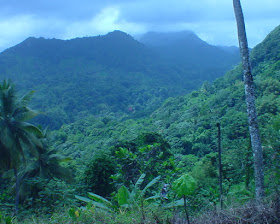
Tropical forests exist in frost-free areas between the Tropic of Cancer and the Tropic of Capricorn. Temperatures range from warm to hot year-round. These forests are found in northern Australia, the East Indies, Southeast Asia, equatorial Africa, and parts of Central America and northern South America.

Rain forests are complicated tropical ecosystems with extremely high levels of biodiversity. Occupying only 6 percent of the earth’s surface, they contain at least 50 percent of the world’s known plant and animal species.

The rain forests are being destroyed at such an unprecedented rate, however, that if the trend continues, no sustainable tropical rain forests will remain by the middle of the twenty-first century.

Rangeland

Rangeland
Rangeland

Open land of a wide variety of types, including grasslands, shrublands, marshes, and meadows as well as some desert and alpine land, is known as rangeland.

Rangeland is a valuable and resilient ecosystem resource that supports considerable plant and animal life. Rangeland generally refers to a kind of land rather than a use of that land.

The Society for Range Management defines rangelands as “land on which the native vegetation (climax or natural potential) is predominantly grasses, grass-like plants, forbs, or shrubs.” Rangeland “includes lands revegetated naturally or artificially”as well as “natural grasslands, savannas, shrublands, most deserts, tundra, alpine communities, coastal marshes and wet meadows.”

Red Algae

Red algae
Red algae

Red algae, from the phylum Rhodophyta (from the Greek rhodos, meaning “red”), are named for their reddish color because of their pigment phycoerythrin. Despite their name, not all rhodophytes are red.

Some of them have very little phycoerythrin and appear green or bluish. Most are multicellular and vary greatly in shape; platelike, coral-like, crustlike, leathery, and feather like forms are known.

The bodies of some rhodophytes are relatively complex, characterized by a great deal of branching of their leaf like structures as well as the presence of a holdfast that resembles plant roots.

Reproduction in Plants

Reproduction in Plants

Plants have evolved a remarkable number of ways to increase their numbers. These include not only a variety of forms of sexual reproduction, in which two individuals produce specialized cells that fuse to become a new offspring, but also many ways of achieving asexual reproduction, in which a single plant produces offspring.

In unicellular organisms three steps result in cellular reproduction. Among prokaryotic organisms (made of cells that have no nuclei), the single loop of DNA (deoxyribonucleic acid, the molecule that carries genetic information) replicates; then one copy is carried to each daughter cell as the original cell elongates and then “pinches” in two, a process called fission.

In eukaryotic organisms (whose cells have nuclei), the DNA is located within a nucleus in discrete chromosomes that must be precisely divided between the two daughter cells.