Showing posts with label fungi. Show all posts

Ascomycetes

Aleuria aurantia. The Orange Peel Fungus is a widespread ascomycete fungus in the order Pezizales. The brilliant orange, cup-shaped ascocarps often resemble orange peels strewn on the ground, giving this species its common name.
Ascomycetes

The ascomycetes are fungi (phylum Ascomycota or Ascomycotina) that produce sexual spores in a specialized cell called an ascus. These diverse fungi, with more than thirty thousand species, can be found in almost every ecosystem worldwide. One of the most famous members of the ascomycetes is the truffle.

Ascomycetes, one of the four phyla of the fungus kingdom, by definition possess an ascus, a single cell inside of which sexual spores are produced.

The reproductive process has been well documented and occurs when the dikaryotic mycelium (the mass of hyphae forming the body) undergoes changes that precede the formation of the ascus. Dikaryotic is the genetic state in which two haploid nuclei are present in the cell. One nucleus is donated by each parent.

Basidiomycetes

Flammulina velutipes is example of Basiodiomycetes also known as winter mushroom
Flammulina velutipes is example of Basiodiomycetes

The Basidiomycetes constitute the largest of the three classes of the Basidiomycota (basidiosporic fungi), a very large class of about fourteen thousand species of the most diverse terrestrial fungi.

The largest fungi belong in the Basidiomycetes class, as do some of the most unusual. All members of Basidiomycetes produce a basidium from hyphal cells and not from spores. (The basidiumis a cell produced at the end of a dikaryotic hypha.)

The basidium will produce either two or four spores as the result of meiosis. The basidium may be either a nonseptate cell, with two or four sterigmata (the basidiospore is produced on the end of the sterigma) at the apex, or it may be septate.

Basidioporic Fungi

Basidioporic Fungi
Basidioporic Fungi

Basidiosporic fungi (also known as the Basidiomycota or Basidiomycotina) are fungi that produce sexual spores on a specialized cell called a basidium.

The basidiosporic fungi are the most diverse phylum of the fungi world, with more than 22,300 species described. Some of the fungi in this phylum are microscopic, while the larger members of this group produce fruiting structures that are basketball-sized and weigh in excess of 10 pounds.

This phylum contains fungi that fall into three classes: mushroom, rusts, and smuts—and range widely in appearance, from the common mushroom to weblike fungi with an odor that can be detected at several feet.

Bioluminesence

Bioluminesence fungus

Bioluminesence is the production of light by living organisms, including algae and phytoplankton in the oceans and fungi on land.

Bioluminescence is a specific form of chemiluminescence in which the chemical energy that is produced in a chemical reaction is converted into radiant energy. In bioluminescence the reaction originates in a wide variety of living organisms, including a small number of plants. It should not be confused with fluorescence or phosphorescence, both of which do not involve a chemical reaction.

In either of the former cases the energy from a source of light, not from a chemical reaction, is basically absorbed and then re-emitted in some form of another photon. The chemical reactions that lead to bioluminescence release energy in the form of light.

Chytrids

Chytrids
Chytrids
Chytrids are fungi in the phylum Chytridiomycota. They have motile spores and are primarily aquatic organisms.

Like all fungi, chytrids live in their food and have an absorptive mode of nutrition in which they secrete digestive enzymes and absorb the breakdown products.

Chytrids also have cell walls made of chitin, make the amino acid lysine via the amino adipic acid (AAA) pathway, and possess a ribosomal DNA (deoxyribonucleic acid) sequence that places them more closely with other fungi than with any other group of organisms. The feature that sets the mapart from other fungi is the possession of a motile zoospore. All other fungi produce spores without flagella.

Characteristics

Aposteriorly oriented, whiplash-type flagellum is the feature that unites all the organisms in the division Chytridiomycota within the kingdom Fungi. As absorptive heterotrophs, they live either as saprophytes, growing on dead organic matter, or as parasites in living plants, other fungi, insects, or algae.

Deuteromycetes

Deuteromycetes
Deuteromycetes

Deuteromycetes are an artificial group of fungi, of which there exist approximately fifteen thousand species, often referred to as “fungi imperfecti” because their only known reproductive mechanism is asexual.

Deuteromycetes—also known as Deuteromycota, Deuteromycotina, fungi imperfecti, and mitosporic fungi—are fungi that are unable to produce sexual spores and are therefore placed in their own separate phylum. The deuteromycetes are commonly called fungi imperfecti, that is, “imperfect fungi,” a term accepted by many mycologists.

Reproduction

Reproduction in the deuteromycetes occurs in several different forms. Spores, or conidia, may be produced directly on the mycelium (the mass of hyphae, or tubular filaments, forming the body of a fungus) or on a structure of specialized mycelial cell called a condiophore.

Endophytes

Endophytes
Endophytes

Fungi that spend at least a part of their lives within the above ground parts of living plants—in leaves, stems, and in some cases reproductive organs—but cause no outward signs of infection are called endophytes. Some endophytes protect the host plant by deterring grazing animals or pathogenic fungi.

In the 1980’s scientists began to realize that a great variety of microscopic fungal species live benignly within plants, as endophytes (from the Greek words endos, meaning “inside,” and phyton, for “plant”), in contrast to fungi living on the surfaces of plants, as epiphytes (from the Greek epi, meaning “upon,” plus phyton). Most endophytic fungi are ascomycetes. Many appear to be close relatives of plant pathogens.

Most endophytic fungi live and feed between the host plant’s cells. Those endophytes that provide a benefit to the plant in return for their keep are considered to be partners with their host, in a symbiotic relationship called mutualism. Endophytic mutualism is well developed in some grasses, in which the fungal partner produces alkaloid substances that deter herbivores and pathogens.

Fungi

Fungi
Fungi

The kingdom of non photosynthetic eukaryotic organisms, fungi are heterotrophic organisms, feeding on other materials rather than making their own food. They live on dead organisms by secreting digestive enzymes and absorbing the breakdown products.

Although these organisms are stationary like plants and thus traditionally studied in botany courses, the heterotropic fungi are fundamentally different from plants, which are autotrophic organisms.

Although some unicellular forms of fungi exist, most fungi are characterized by a mycelial growth form; that is, they generally are made up of a mass of hyphae (tubular filaments). All fungi live in their food and have an absorptive mode of nutrition by which they secrete digestive enzymes and absorb the breakdown products. They are therefore heterotrophs.

Lichens

Lichens
Lichens

Lichens are composed of two distinct species, a fungus and a photosynthetic alga (or bacterium) that have coevolved to live in a symbiotic relationship with each other as a single life-form that grows on rocks, trees, and other substrates.

Lichens are classified as members of the kingdom Fungi, with most being placed under the phyla Ascomycota and Basidiomycota. It is estimated there are seventeen thousand species of lichen, representatives of which have been found nearly everywhere in the world.
Symbiosis

Symbiosis is an extreme form of an ecological relationship known as mutualism between members of different species, in which each partner in the union derives benefits from the other. In symbiotic unions, the partners are so dependent on each other they can no longer independently survive.

Microbial Nutrition and Metabolism

Microbial Nutrition and Metabolism

The diverse metabolic activities of microorganisms make them a critical component of all the earth’s ecosystems and a source of many useful products for human industry.

Microorganisms—bacteria, fungi, algae, and protists—are found in every environment on the earth that supports life. Microorganisms have been found in hot springs where temperatures exceed 80 degrees Celsius as well as in rocks of Antarctic deserts.

To ensure survival in a variety of habitats, microorganisms have developed a fascinating variety of strategies for survival. The study of microbial ecology involves consideration of the mechanisms employed by microorganisms to obtain nutrients and energy from their environment.

Mitosporic Fungi

Mitosporic Fungi - Aspergillus sp

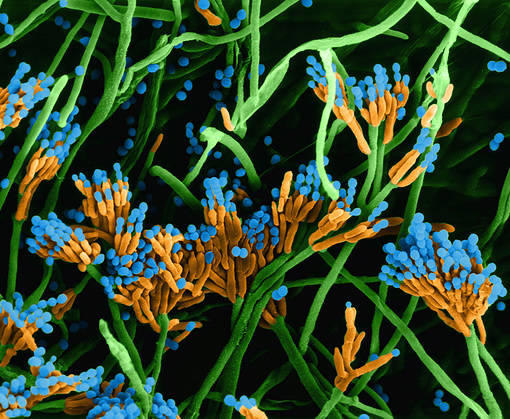
Mitosporic fungi—also known as Deuteromycota, Deuteromycotina, fungi imperfecti, and deuteromycetes—are fungi that are unable to produce sexual spores and are therefore placed in a separate phylum.

The term “mitosporic” is a combination of the words “mitosis” and “sporic.” Mitosis is the process of asexual cell division, which results in the daughter cells having the same genetic makeup as the mother cell.

“Sporic” is used to denote the creation of spores. Therefore, the fungi in Deuteromycota do not produce sexual spores. The groupings in this phylum are artificial.

Mushrooms

Yellow mushroom
Yellow mushroom

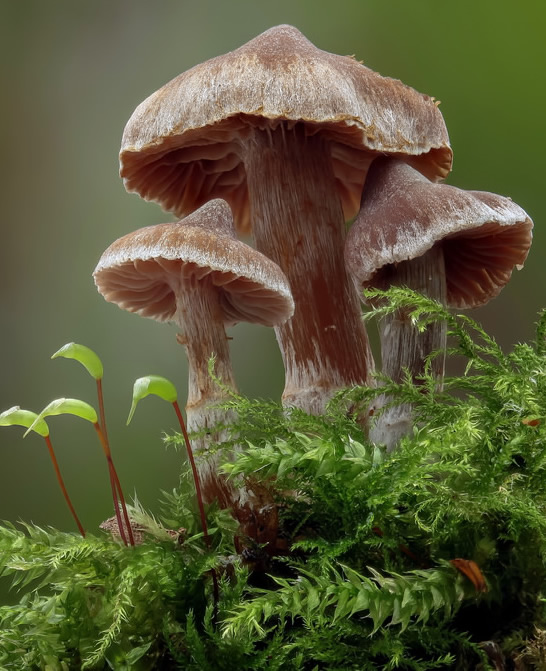
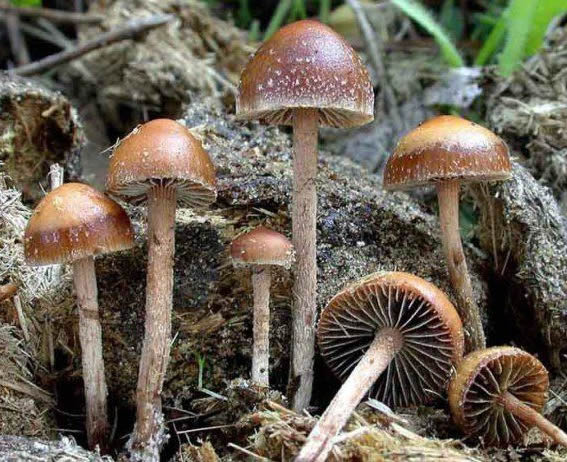
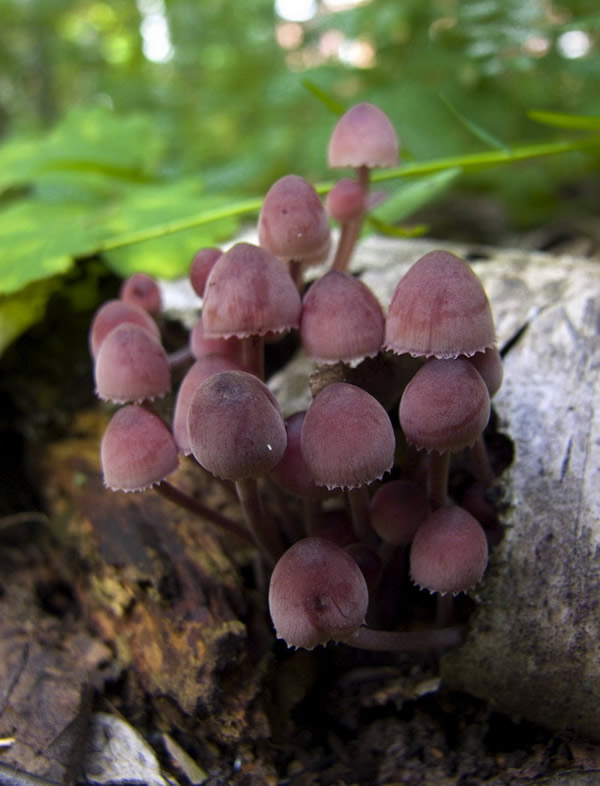
Members of the kingdom Fungi and division Mycota, mushrooms are members of the class Basidiomycetes. This class includes both the hymenomycetes, which reproduce spores using a layer structure called the hymenium, and the gasteromycetes, which include the stinkhorns and puffballs.

Fossil evidence suggests that mushrooms existed ninety million years ago. The order Agaricales represents approximately four thousand species in sixteen families of commonly found mushrooms.

The order Polyporus consists of fungi that grow on tree limbs or stumps. Although they prefer moist environments, mushrooms are sometimes found in deserts, beaches, and occasionally snowdrifts.

Mycorrhizae

Mycorrhizae
Mycorrhizae

“Mycorrhiza” (from the Greek mukes, meaning “fungus,” and rhiza, meaning “root”) is a term describing a mutualistic, symbiotic relationship between plant roots or other underground organs and fungi. Mycorrhizae are among the most abundant symbioses in the world.

Mycorrhizal associations have been described in virtually all economically important plant groups. Investigators in Europe detected fungal associations in most European species of flowering plants, all gymnosperms, ferns, and some bryophytes, especially the liverworts.

Similar patterns are predicted in other ecosystems. Continuing studies of ecosystems, from boreal forests to temperate grasslands to tropical rain forests and agroecosystems, also suggest that most plant groups are intimately linked to one or more species of fungus.

Parasitic Plants

Parasitic plants, lovevine embrace (Cuscuta spp.)

Parasitic plants are those symbiotic life-forms that form mutualistic relationships with other plants at their hosts’ expense.

The more is learned about plants and other organisms, the more apparent it is that many, if not most, plants are involved in symbiotic associations in which one or more other organisms live in close interaction with the plant—almost as if they are one. Symbiosis is frequently thought of as being a mutualistic relationship in which both the plant and its symbiont benefit.

Typical examples include the alga and fungus that make up a lichen and the bacteria living in a legume root nodule. Commensalistic relationships, such as Spanish-moss hanging from a live oak, are less commonly thought of; in this relationship, one plant obviously benefits, while the other seems to be little affected.

Rusts

Rust fungi
Rust fungi

Rust fungi belong to the taxonomic class Teliomycetes within the basidiosporic phylum and include some seven thousand known species, all plant parasites, with many being extremely important plant pathogens.

Rust diseases have caused serious problems for centuries and continue to cost billions of dollars annually worldwide.

Important examples include: leaf, stem, and crown rusts of wheat, barley, and oats; the blister, fusiform, and gall rusts of pines; coffee rust; many field crop rusts, such as soybean, peanut, sunflower, and flax rusts; and rusts of many horticultural crops and ornamental plants, such as cedar-apple rust, bean rust, and rose rust.

Ustomycetes

Ustomycetes
Ustomycetes

The Ustomycetes are a group of the basidiosporic fungi that includes about a thousand species. These fungi all produce spores in a sorus, amass of spores that is produced on the surface of a plant host.

Ustomycetes are all parasites of plants, and some are serious pathogens. Most produce hypertrophy (excessive cell growth) in plant tissues.

One of three main classes of Basidiomycota, the ustomycetes include several different orders. Cryptobasidiales is a small order of fungi found in tropical areas of South America and Africa.

Yeast


The term “yeast” does not refer to any recognized taxonomic name but instead describes fungi that are unicellular and usually reproduce asexually by budding. The term yeast is also used, more specifically, for those species in the genus Saccharomyces that are used to leaven bread and ferment alcoholic beverages.

Among mycologists, there is some disagreement over what should be called a yeast. Many mycologists use the term to describe any fungus that has a unicellular budding format any time in its life. They often use the term “monomorphic” to describe those that are always unicellular and the term “dimorphic” to describe those that can have both unicellular and filamentous growth.

Others, however, reserve the name yeast for those species that are permanently unicellular and use the term “yeastlike” to describe those fungi that can alternate between mycelial and unicellular forms. Because some species that have traditionally been called yeasts have later been shown to have a mycelial form, the former broader definition will be used here.

Zygomycetes

Zygomycetes
Zygomycetes

Zygomycetes are a group of fungi that constitute the phylum Zygomycota. Also called zygote fungi, zygomycetes include about 750 species.

Most are saprobes, living on decaying plant and animal matter in the soil; some are parasites of plants, of insects, or of small soil animals; some cause the familiar soft fruit rot and black bread mold; and a few occasionally cause severe infections in humans and farm animals.

Zygomycetes share many common features with members of other phyla in kingdom Fungi. They are rapidly growing, nonphotosynthetic organisms that characteristically form filaments called hyphae.