Showing posts with label gardening. Show all posts

Composting

Composting
Composting

Compost is a mixture of organic ingredients used for fertilizing or enriching land. Composting is the practice of making and using compost.

Composting is a way for gardeners and farmers to enrich and otherwise improve the soil while reducing the flow of household waste to landfills. Essentially the slow, natural decay of dead plants and animals, composting is a natural form of recycling in which living organisms decompose organic matter.

The decay of dead plants and animals starts when microorganisms in soil feed on dead matter, breaking it down into smaller compounds usable by plants.

Dormancy

Plant dormancy
Plant dormancy

Dormancy is the state in which a plant or plant part exhibits little or no growth and in which most, if not all, metabolic activity ceases for a period of time.

The vast majority of plant life functions best when there is ample water and temperatures are well above freezing throughout the year. Except for those in moist, tropical regions, however, plants are exposed to dry periods and temperatures below freezing for varying lengths of time during the year. Plants, unlike animals, do not have the luxury of body insulation or locomotion.

Hence, plants cannot seek shelter or use other active ways to survive water shortages and cold weather. Consequently, many plants become dormant to avoid unfavorable environmental conditions. In dormancy, their metabolic activity either ceases or is drastically reduced.

Garden Plants: Flowering

Flower in the garden

The most popular flowering garden plants world wide include roses, lilies, tulips, irises, and daffodils. These plants range in form from herbs to bushes to trees. Their leaves, flowers, and optimum growth needs differ greatly.

Flowering plants (angiosperms) are grown in gardens for their beauty and their fragrant aromas. They and their relatives can also be grown for food. Myriad flowering plant types are grown in the world’s gardens.

Most popular flowering garden plants are in the rose family (Rosaceae, about three thousand species) and the lily family (Liliaceae, about forty-five hundred species), which together make up awide variety of herbs, bushes, and trees.

Garden Plants: Shrubs

Garden plants shrubs

Shrubs are perennial, woody plants that have multiple ecological uses and are economically important for a variety of landscape purposes. Like trees, the shrubs consist of both primary and secondary cambium (cells that ultimately form wood or bark), but unlike trees, shrubs typically have multiple stems and are somewhat shorter in height.

Native and nonnative shrubs have many uses, both in private gardens and as elements in commercial and civic landscaping. Shrubby willows and alders function as soil stabilizers, preventing erosion naturally along waterways. Other shrubs are natural wind breaks that reduce wind flow over open soils.

Farmers value shrubby wind breaks that preserve barren farm soils during fall and winter months,when the land is barren and topsoil is especially liable to be blown away during winter storms. For much the same reason, home owners may plant certain types of shrubs at strategic locations along the boundaries of the yard to reduce air flow.

Grasses and Bamboos

Grasses
Grasses

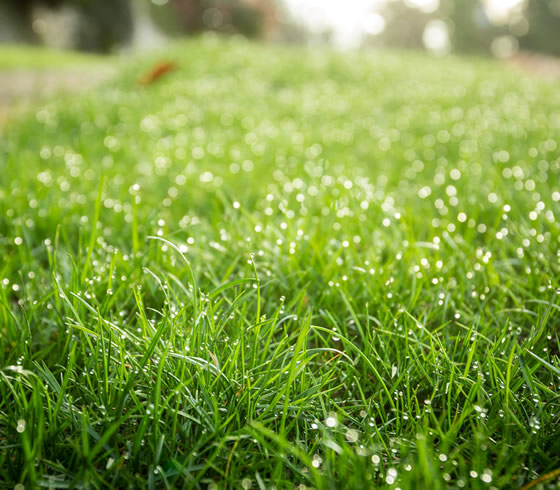
Grasses are monocotyledonous flowering plants (phylum Anthophyta, the angiosperms) belonging to the family Poaceae, formerly Gramineae. The family is widespread and economically very valuable. All the grasses are herbaceous except for the bamboos, some of which are treelike.

Grasses arose seventy million to eighty million years ago, in the Late Cretaceous period of the Mesozoic era. They succeeded partly because they concentrate their growth lower down on the leaf and stem than other plants do and thus can regenerate quickly when fire or herbivores remove the top part of the plant.

This makes them ideal for human uses such as lawns and pasture for domestic livestock. Grasses are a very important food source for humans. Grasses provide all cereal grains—barley, corn, millet, oats, rice, rye, and wheat. Other grasses used for food include sorghum, sugarcane, and bamboo.

Growth Habits

Growth Habits
Growth Habits

Plant habit, also known as plant life form, is the characteristic shape, appearance, or growth form of a plant species. It develops from specific genetic patterns of growth in combination with environmental factors and is part of the organization of every plant.

Growth of Plants

Development of a plant body is accomplished through growth, defined as increase in number of cells and size of a species. Rates of growth in plants are achieved in two ways: first, by geometric increase, in which all cells of the organism divide simultaneously, especially in a young embryonic plant; second, by arithmetic increase, in which only one cell undergoes division, especially in mature plants with localized growth in a region at the root and shoot apices.

Generally, plants grow by a combination of both kinds of cell division to produce variations of form that finally develop a specific habit that is unique to a particular plant species.

Horticulture

Horticulture
Horticulture

Horticulture is the branch of agriculture that is connected with the production of plants that are directly used by people for food, medicine, and aesthetic purposes.

The ability to produce crops, particularly those crops associated with food and fiber, is the multidisciplinary science of intensively cultivating plants to be used by humans for food, medicinal purposes, or aesthetic satisfaction.

Crop production is largely determined by a variety of environmental conditions, including soil,water, light, temperature, and atmosphere. Therefore, horticulture science is primarily concerned with the study of how to manipulate the plants or these environmental factors to achieve maximum yield.

Hydroponics

Hydroponics
Hydroponics

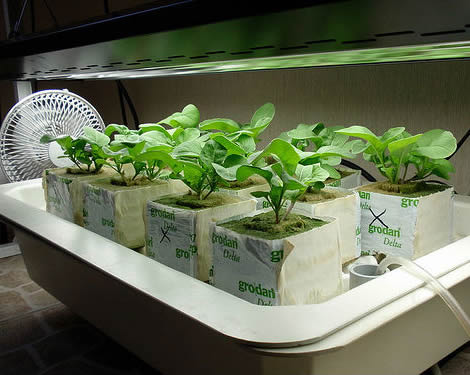
Literally “water culture,” hydroponics originally referred to the growth of plants in a liquid medium. It now applies to all systems used to grow plants in nutrient solutions with or without the addition of synthetic soil for mechanical support.

Hydroponics has become an important method of crop production with the increase in the number of commercial greenhouse operations. Greenhouses are utilized in the production of a wide array of bedding plants, flowers, trees, and shrubs for commercial as well as home and garden use.

Cash receipts from greenhouse and nursery crops total more than $4 billion annually. In some arid regions, the majority of vegetable crops are produced in greenhouses.

Inflorescence

Inflorescence
Inflorescence

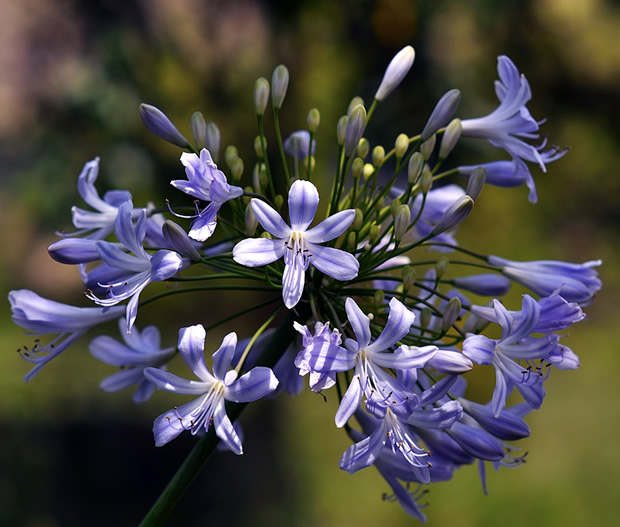
The term "inflorescence" refers to the arrangement of flowers on a floral axis. Most schemes that define inflorescence types separate solitary flowers from flower clusters and stipulate that an inflorescence is a cluster of two or more flowers.

It is not always easy to distinguish between solitary flowers and an inflorescence. An examination of the evolutionary development of the flower and the inflorescence provides some insight into the problem. It generally is accepted that the flower arose as a modified stem tip that bore male and female reproductive structures at its apex.

These reproductive structures became the pistils and stamen of the flower. Leaves that immediately subtended the reproductive structures became the sterile parts of the flower (petals and sepals) and are typically more leaflike as distance from the apex increases.

Orchids

Yellow Ground Orchid
Yellow Ground Orchid 

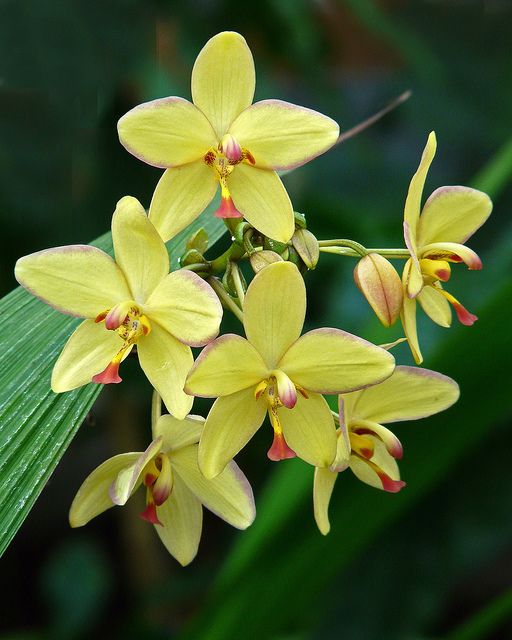
Orchids are the largest family of monocots among the angiosperms (flowering plants), with between twenty-five thousand and thirty thousand species, and new species are continually being described.

There are numerous natural and artificial hybrids of orchids (family Orchidaceae). The floral and vegetative variation in this family is enormous, and most orchid specialists consider the orchids to be undergoing a great deal of evolutionary activity as well. Orchids follow the general monocot pattern of having flower parts in three’s. They differ from other monocots in several ways, however.

First, the stamens are fused together. Orchids are divided into two major groups based on their anthers and stamens: the diandrous orchids, which have two functional anthers and a sterile stamen, which in the lady’s slipper orchids (such as Cypripedium, Selenipedium, Paphiopedilum, and Phragmipedium) becomes modified into a staminode, and the monandrous orchids (all other orchids), which have one functional anther.

Organic Gardening and Farming

Organic Gardening and Farming

Organic growing strives to produce healthy soils and plants through practices that replenish and maintain soil fertility. Organic farmers avoid the use of synthetic and often toxic fertilizers and pesticides.

At the beginning of agricultural history, farmers believed that plants “ate the soil” in order to grow. During the nineteenth century, German chemist Justus von Liebig discovered that plants extracted nitrogen, phosphorus, and potash from the soil.

His findings dramatically changed agriculture as farmers found they could grow crops in any type of soil, even sand and water solutions, if the right chemicals were added.